Call us  44 (0)20 7824 7157

20 Grosvenor Gardens, London SW1W 0DH, UK

Innocastle

We are delighted to be part of Innocastle, under the EU’s Interreg Europe programme
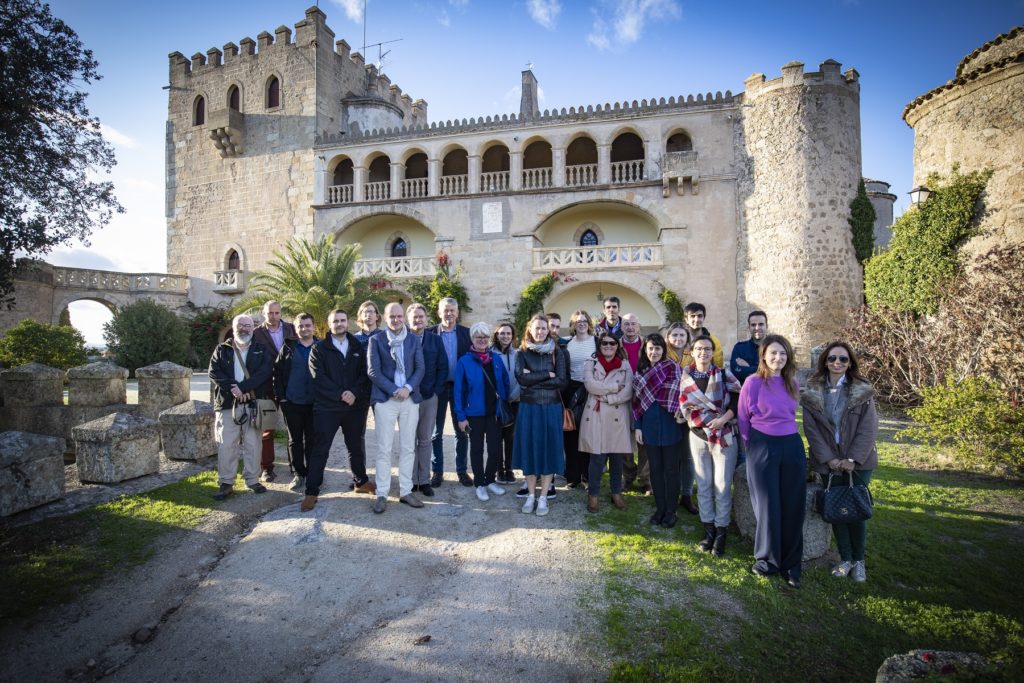
This page brings together recent posts about the project alongside other relevant documentation

At European level, many castles and manors have difficulties in maintaining or adapting themselves for the future . Innocastle aims to improve policy instruments governing this specific type of heritage in the European regions, through stimulating the exchange of know-how between the five project partners, including INTO in it’s role as delivery partner for the National Trust internationally.

In our role as knowledge partner, we have over recent months been analysing participant feedback from the Gelderland and Badajoz study visits, feeding in good practices and providing thoughts and advice on the partners’ developing Local Action Plans.   You can read the April 2020 Innocastle newsletter here

  Here is the latest news from our Innocastle project, including mention of the National Trust's work to digitise its Read more...
Digitisation of cultural heritage can be a crucial tool in today’s efforts towards the conservation, study and promotion of European Read more...
Social prescribing enables doctors to refer people to the National Trust for involvement in activities that support their health and Read more...
Lotteries are among the most important patrons of the arts in Europe. The UK National Lottery Heritage Fund aims to Read more...
A blog by Catherine Leonard, Secretary-General We're all learning how important communicating is at the moment.  Which is probably not Read more...
See the world's sites from your sofa with these 14 virtual visits, selected from amongst the responses to World Heritage Read more...
A blog by Catherine Leonard, Secretary-General Week of change My goodness, what a week.  Last Friday, Alex and I decided Read more...
Building engagement at heritage sites through visiteering Our Innocastle partners identified two specific practices they wanted to share from their Read more...
Everything speaks: Increasing visibility of heritage sites through cultural programming Our Innocastle partners identified two specific practices they wanted to Read more...
A blog by Catherine Leonard, Secretary-General Open Days Last week saw the beginning of this year’s Heritage Open Days in Read more...
A blog by Catherine Leonard, INTO Secretary-General Sonsbeek sitting rooms* On the second day in Gelderland, we joined a symposium Read more...
  This week, 25-28 June 2019, we are in Gelderland on a study visit for the Innocastle project.   The programme Read more...
A blog by Catherine Leonard, Secretary-General National Identity and the idea of European unity Last week, we invited experts to Read more...
European heritage collaboration for inspiration and to improve heritage policies Last week, a group of policy makers and heritage experts Read more...
A blog by Catherine Leonard, Secretary-General This week has definitely been focussed on Innocastle.    It was another short week, Read more...
Here is the latest news from our EU-funded Innocastle Project (click the picture below to open pdf document). The subjects Read more...
A blog by Catherine Leonard, Secretary-General Eurostar – direct connection to Europe I’d forgotten how much I love the Eurostar. Read more...
European collaboration was focus of INTO's first ever round table discussion in London on 5 November.  INTO members, volunteers and Read more...
Tuesday, 9 October 2018 Innocastle, an ambitious new European project dedicated to castles, manors and estates was launched last week, Read more...
A blog by Catherine Leonard, Secretary-General This week, I have been in Romania with our Innocastle partners.   This was the Read more...
A blog by Catherine Leonard, Secretary-General This week, we have been looking more closely at the INNOCASTLE activity schedule.  INTO/National Read more...
A blog by Catherine Leonard, Secretary-General Funding approved! This week, we heard that our funding application to the Interreg Europe programme Read more...
A blog by Catherine Leonard, Secretary-General On Monday, I spent a hot Bank Holiday in Brussels meeting partners in a Read more...

What is Innocastle?

It’s about innovating policy instruments for preservation, transformation and exploitation of heritage castles, manors and estates. European historic castles, manors and estates have the potential to become local catalysts for regional development and innovation. Innocastle prepares them for the future by stimulating resilient policies for conservation, transformation and exploitation. The consortium of partners is composed of: National Institute of Heritage in Romania (lead partner), University College Ghent in Belgium, Province of Gelderland in the Netherlands, Regional Government of Extremadura in Spain and the National Trust in the United Kingdom of Great Britain and Northern Ireland (knowledge partner, through INTO). The project is financed by Interreg Europe, with a total budget of €1,120,335.00 (85% ERDF, 15% co-financing).

Resources

Find out more about Innocastle on the Interreg webpage

Places That Make Us (This National Trust study, a first of its kind, found places of meaning generate a significant response in areas of the brain associated with positive emotions and proves places can enhance well-being.)

Heritage, Health and Well-being (The National Trust looks after heritage for people, not just for their enjoyment, but for their health more broadly. This is a literature review of heritage, health and well-being).

Isolation and loneliness – opening up new stories and interpretive experiences at Calke Abbey (National Trust case study)

Conservation Principles (The National Trust bases its conservation work around six main principles:
Integrating the conservation of natural and cultural heritage; Working with change, adapting and mitigating; Access and engagement that benefits society; Developing skills and experience with others; Recording decisions and sharing knowledge; Understanding values, significance and spirit of place.

Heritage Counts for Europe  (A Europa Nostra report demonstrating the multiple benefits of heritage for Europe’s economy, society, culture and the environment, and presents policy recommendations on how to tap into heritage’s full potential)

Heritage Counts 2019 (Latest report from Historic England on the important part heritage plays in the English economy)

World Cities Culture Report 2018 (How culture is driving world cities regeneration)

Culture and Local Development: Maximising the Impact (OECD/ICOM Guide for local governments, communities and museums)

From Start Up to Sustainability: An INTO Handbook for Heritage Trusts

State of Global Heritage Report (An INTO report highlighting the threats to our shared global heritage.)

We will add more documents soon – in the meantime, why not check out our Knowledge Base.


Innocastle Newsletter (September 2020)


Here is the latest news from our Innocastle project, including mention of the National Trust’s work to digitise its collection which was identified by the project partners as a ‘good practice’ and included on the Interreg Europe Policy Learning Platform.

Creating an online curiosity cabinet: Digitising historic collections

Close up view of the dresser in the Kitchen in the basement at Uppark, West Sussex. Containing blue and white china, copper moulds and saucepans.

Digitisation of cultural heritage can be a crucial tool in today’s efforts towards the conservation, study and promotion of European cultural resources.

Collaboration with the Lottery was one of the specific practices identified by the Innocastle team on their study visit to the UK in May 2019.  The ‘good practice’ is available on the Interreg Europe Policy Learning Platform with additional resources here on the INTO site.

Readers directed here from the Interreg Europe Policy Learning Platform – please scroll down for a selection of resources.

Creating an online curiosity cabinet: Digitising historic collections

From fire and flood, to war and neglect, cultural resources are under threat all over the world.  Recent blazes at Notre Dame and the National Museum of Brazil have highlighted the need to record this unique heritage for future generations.   And conservation experts are increasingly turning to digital technology to document the unique artefacts, monuments and sites in their care.  This not only supports any future restoration challenges, but the digitising cultural heritage also increases public access.

The National Trust began work on digitising its fabulous collections (over 300) about twenty years ago.  In partnership with the Royal Collection, the Trust created and installed a new system in 2009.  Hundreds of staff and volunteers across the UK now use it daily.  And in December 2011 the Trust launched the Collections website, providing vital public access to over 1 million online items.

Data were first captured locally, taken from the Trust’s traditional inventory cards.  Staff and volunteers added new digital photographs and checked, marked and counted each item.   Eventually all the entries were merged into the one new system.

Each National Trust collection is different, a personal creation reflecting the lives and characters of individual people.  Now we can begin to see and appreciate the collections held by the Trust together, as a vast National Trust online museum, through which we can chart developments in taste, technology and society from the 16th century to the present day.

A school webex session at Sutton Hoo, Suffolk.

Potential for learning transfer

The project is far from over and the National Trust plans to continue gathering new information and stimulating new research. Thus each phase of the project has provided insights and information which could be shared with others around the world.

The C-19 pandemic this year has seen cultural venues everywhere take their work online. Since the start of outbreak, visits to the Paris Louvre’s website have exploded, going from 40,000 to 400,000 per day.

Thus when its properties closed, members of the public were still able to explore the collections in the Trust’s care.

Through articles and virtual exhibitions to social media posts about writing letters, spring cleaning or celebrating VE Day, the Trust’s accumulated know-how in using this vast online resource has great potential for transfer. Along with it’s experience of virtual content driving actual visits. (The Trust had 263,000 visitors to its website over Easter, compared to 753,000 last year when its properties were open.)

Resources

National Trust Collections: ‘Are you really going to count all the teaspoons? And just how many are there? Where is the Trust’s oldest teapot? Will I be able to look up all the Trust’s treasures?’ These are just a few of the questions I have answered over the past 15 years about the project to digitise the National Trust’s fabulous collections. Now, a search on this website www.nationaltrustcollections.org.uk can answer these and all your questions on objects to be found at the one-time homes of the famous (such as Agatha Christie), the aristocratic and the working class. Here you will find records of over a million objects, from laudanum bottles to a pair of Aertex underpants, sedan chairs to an early anti-ageing ‘rejuvenating’ machine, fine old masters to a lavish Georgian doll’s house.   The National Trust hopes people will use its online resources to explore the collections in its care.

(This is taken from an article, The Online Curiosity Cabinet in which Head of Collections, Philip Claris explains the work of digitising the National Trust’s collections.)

Virtual visits: See the world’s sites from your sofa!  We have gathered together 14 virtual visits, selected from amongst INTO members’ World Heritage Day posts.  They shared drone-shot footage, online tours and virtual walk-throughs that together show how heritage trusts globally are responding to COVID-19.

National Trust Images: You can also visit the National Trust’s online photo library here.

The Story of Easter Eggs in the National Trust Collection: As we celebrated Easter in lockdown this year, the Trust shared some of the many eggs in its collection on its website.  It was a very popular post.


A Natural Health Service: Social prescribing in the heritage sector

Visitors exploring the garden at Cotehele, Cornwall.

Social prescribing enables doctors to refer people to the National Trust for involvement in activities that support their health and well-being.

Collaboration with the Lottery was one of the specific practices identified by the Innocastle team on their study visit to the UK in May 2019.  The ‘good practice’ is available on the Interreg Europe Policy Learning Platform with additional resources here on the INTO site.

Readers directed here from the Policy Learning Platform – please scroll down for a selection of resources.

A Natural Health Service: Social prescribing in the heritage sector

General Practitioners (doctors) spend almost one fifth of their consultation time dealing with social rather than health issues.  (Citizens Advice Report: A Very General Practice, 2015)  One solution is social prescribing.  This enables GPs to connect patients with community groups and services for practical and emotional support.

Since its foundation, the National Trust has believed in the health benefits of its places. From volunteering in a beautiful garden to just enjoying the peace and relaxation of a visit. From meeting people and finding a new role in life to exercise, fun and fresh air.

In 2019, the Trust formed a partnership with a surgery to test the theory. And to pilot a new approach to social prescribing.

How does it work?

The surgery refers people with long-term conditions, loneliness or mental health issues to the Trust.  The local team in North Devon organises weekly activities.  This could be either a gentle walk or countryside management work.  Nothing too strenuous: habitat restoration, repairing the coastal path or beach cleaning.

These have proven, amongst other things, to reduce stress levels, increase physical health and improve self-esteem. The Trust benefits too in having more volunteers to carry out conservation work and deepen engagement with the local community. And from the surgery’s perspective, social prescribing helps people take greater control of their own health and well-being, and eases the burden on clinical services.   The main stakeholders are healthcare providers like doctors, nurses and other agencies. The main beneficiaries are members of the public and the National Trust.

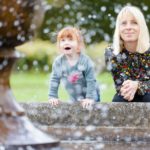
A mother and child beside a fountain at Powis Castle and Garden, Powys, Wales.

Potential for learning transfer

Historic castles, manors and estates appeal to visitors because they are safe, comfortable and welcoming. But they could often do more to embrace a broader diversity of people with specific health and well-being needs.

There is currently significant interest in the impact of natural and cultural heritage on health and well-being across the sector. The Trust’s own research into ‘Places that Make Us’ proves the strong emotional connection between people and places.

The potential therefore for heritage to play a role in preventive care anywhere in the world is great. Moreover this growing body of experience should make it easier to develop partnerships with others already operating in this field.

Whilst the best partnerships are mutually beneficial, heritage sites do need to start with the needs of their audience.  That is to say, local healthcare priorities rather than their own agenda. The New Economics Foundation provides a helpful framework around the themes of social relationships, physical activity, awareness, learning, and giving.

Resources

Inspire SW: Listen to this podcast where Ranger Dave Jolley and Combe Coastal Practice Manager Matt Wills discuss ‘social prescribing’ in North Devon.  Their conversation starts at 2:20.  (National Trust, 2019)

Active Guide to North Devon: The National Trust look after over 8000 acres (equivalent of 128,000 tennis courts) of North Devon coast and countryside for everyone to access. Combe Coastal Practice and the National Trust have teamed up to offer a selection of regular activities to ensure that everyone in North Devon can enjoy the health and well-being benefits of getting out and enjoying these special places.  (National Trust, 2019)

Heritage, Health and well-being: A review of recent literature This useful presentation by Tate Greenhalgh, National Interpretation Specialist at the National Trust, brings together a wealth of studies examining the contributions natural and cultural heritage can make to health and well-being. Many offer recommendations for making more of the potential of heritage, including amplification through partnerships, and recent advocacy for social prescribing in attempt to use heritage to reduce demand on the NHS.  (National Trust, 2018)

Places that Make Us: The National Trust has always believed that natural and historic places have a powerful effect on all of us, but they wanted to understand why places mean so much to us. What is at the heart of that connection, exactly?  This report explores the depth of people’s connection with place.  It is the first piece of research of its kind and it revealed that meaningful places generate a significant response in areas of the brain most commonly associated with positive emotions; demonstrating the strong emotional connection between people and places.  (National Trust, 2017)

External resources on social prescribing

Five Ways to well-being: On the available evidence to date, this report identifies five key actions around the themes of social relationships, physical activity, awareness, learning, and giving. In general, the evidence base around the influencers of well-being is growing. Having strong social relationships, being physically active and being involved in learning are all important influencers of both well-being and ill-being. By contrast, the processes of giving and becoming more aware have been shown to specifically influence well-being in a positive way. A combination of all of these behaviours will help to enhance individual well-being and may have the potential to reduce the total number of people who develop mental health disorders in the longer term.  (New Economics Foundation, 2008)

A Very General Practice: Lastly, this report presents recent Citizens Advice research on the level and impact of ‘non health’ demand faced by doctors in general practice (GPs).  The central finding is that GPs in England spend almost one fifth (19 per cent) of their consultation time on patients’ non-health issues. This translates to an implied cost of nearly £400 million to the health service.  (Citizens Advice, 2015) 

Collaboration with the National Lottery Heritage Fund

Visitors exploring the medieval ruins at Fountains Abbey and Studley Royal Water Garden, North Yorkshire

Lotteries are among the most important patrons of the arts in Europe. The UK National Lottery Heritage Fund aims to ‘Inspire, Lead and Resource’ the sector.

Collaboration with the Lottery was one of the specific practices identified by the Innocastle team on their study visit to the UK in May 2019.  The ‘good practice’ is available on the Interreg Europe Policy Learning Platform with additional resources here on the INTO site.

Readers directed here from the Policy Learning Platform – please scroll down for a selection of resources.

Heritage: It’s a lottery

The UK government introduced the National Lottery in 1994 to raise funds for good causes. It was felt that an independently administered state lottery could bypass any problems faced by Government in allocating resources for public expenditure.

25% of the money spent on National Lottery games is allocated to good causes.  Of that 40% is awarded to health, education, environment and charitable causes, 20% to sports, 20% to arts and 20% to heritage.

The National Lottery Heritage Fund has six objectives:

• Continue to bring heritage into better condition
• Inspire people to value heritage more
• Ensure that heritage is inclusive
• Support the organisations they fund to be more robust, enterprising and forward looking
• Demonstrate how heritage helps people and places to thrive
• Grow the contribution that heritage makes to the UK economy

The National Trust has a good success rate securing Heritage Fund grants (85% of all applications submitted are funded). Moreover it generally has a pipeline of projects that will meet many, if not all, of the Heritage Fund’s objectives. There is an excellent fit between the two organisations, with real synergy in areas such as land and nature, urban places, well-being and digital collections. And the Heritage Fund is one of the few major sources of external funds for the Trust’s work.

Visitor on the approach at Seaton Delaval Hall, Northumberland.

Potential for learning transfer

Innocastle delegates spent some time during the UK study visit considering the social value of heritage, heritage as an instrument to create a more equal society and the role of heritage in cultural identity.

One of the requirements for funding from the National Lottery Heritage Fund is wider community benefit. In all their communications, the Heritage Fund describes its work as ‘We fund a broad range of projects that connect people and communities to the national, regional and local heritage of the UK. We fund heritage projects. Heritage can be anything from the past that you value and want to pass on to future generations.’

And every project must deliver the outcome ‘A wider range of people will be involved in heritage’.

For countries where they do not have a lottery to fund the arts or heritage projects, there is definitely potential for learning from the National Lottery Heritage Fund approach.

Resources

Celebrating our National Lottery Heritage Fund supported projects: Thanks to the Heritage Fund, and players of the National Lottery, the National Trust has received more than £118 million to restore and repair historic houses, gardens and precious countryside. From returning the 18th-century Seaton Delaval Hall to its former glory, to improving a family park on the shores of Lake Windermere, these wide-ranging projects inspire people of all ages. And their impact is significant too, with millions visiting the places that have benefitted from these grants each year. This timeline explores how the Heritage Fund helps bring heritage to life.  (National Trust, 2020)

National Lottery Heritage Fund Strategic Funding Framework for 2019–2024: This document sets out the Heritage Fund’s vision and the principles that will guide its National Lottery investment for the next five years.   (National Lottery Heritage Fund, 2019)

‘Mission Patrimoine’: There are of course other models in other countries.  France launched a ‘Mission Patrimoine’ lottery scratch card in 2018 with the Fondation du Patrimoine.  The first edition raised 22,000,000 € for heritage projects through ‘Mission Stéphane Bern‘.

Nationale Postcode Loterij: In the Netherlands, the Postcode Lottery supports charities dedicated to ‘people and planet’.  Natuurmonenten, who we met during the Innocastle Study Visit to Gelderland last year, received over 14,000,000 € in grants in 2019.

Communicating through Covid-19 (Update, 15 May 2020)

A blog by Catherine Leonard, Secretary-General

We’re all learning how important communicating is at the moment.  Which is probably not the best way to start a blog, as I may have just massively raised expectations!  But here is some news from our members and some useful tips I learned during three webinars this week.

Furthermore, I wanted to remind full members who haven’t already applied for a TAP-INTO small grant to do so before this Sunday (17 May)! Funds are available to cover unexpected new costs associated with the Covid-19 pandemic. The maximum grant is £2,500 and there is more information here.  We look forward to receiving your proposals!

News from our network

After all the discussions over the past weeks, some summarised in this blog, National Trusts around the world are beginning to reopen their sites to the public.  Our members have really appreciated the opportunity to share learning and experiences with each other as they work there way through this unprecedented period. “I have to thank you for the way you connect the world during this crazy period! It is comforting and inspiring to hear about the experiences of other NTs.” said Jeanine Perryck of the Gelderland Trust.

Communicating to your supporters

For me, it’s really interesting how INTO members are communicating their messages to the public.  Here’s what the Trustees of Reservations say on their website: “We know how important it is to get outside, get exercise, and connect with nature in challenging times, and we will continue to work on expanding access to our special places while balancing the need to flatten the curve and slow the spread of this serious virus. Please check back for regularly for announcements on newly opened properties.”

Forming the narrative

And the National Trust of England, Wales and Northern Ireland mailed it’s members with the following: “It’s seven weeks since we closed our gates to help stop the spread of coronavirus. We’re so grateful to you and all our members for your kindness and support during our closure: from simply keeping up membership to paying virtual visits and sending messages of goodwill. It’s a brilliant reminder of what a strong community we are together. We know you’re as keen as us to get back outdoors and to all the Trust has to offer. We’re busy working out how to make it as easy as possible for you to visit your favourite places, and stay safe.”

It’s a message that’s designed to acknowledge people’s desire to get back out into nature.  But to give audiences reassurance that we are looking forward to re-opening, and that we will do so safely for visitors, staff and volunteers.   And this is echoed by our members in València, Fundem, who are communicating that there is “no better time to discover the garden than the spring – nor a better place to regain contact with nature”, as they plan to reopen on 25 May:


Communicating in challenging times

Like many of you, this week I participated in lots of online meetings and webinars!  It’s great to keep communicating but I know some people are suffering from webinar-fatigue.  And, whilst they are a brilliant way to stay connected at this time, I do sometimes dream of a handshake or kiss, a shared coffee and maybe even a National Trust shortbread!  Then I remember how difficult it is to book a meeting room and order catering in our office …  (NT shortbread was very popular amongst delegates at INTO Cambridge 2015 – click here here for a nostalgic recipe!)

Finally, I’d like to tell you about three webinars I joined this week.  Firstly, one hosted by the International Coalition of Sites of Conscience, entitled “Create Your Own Media: Communications Strategies for Challenging Times”.  They shared some good practical tips about communications in general:

  • What is the problem you’re trying to solve?
  • How to distinguish your site? What is special about it?  Why’s it necessary?
  • What do you want people to do after they leave your site?  How are you communicating that?
  • How to use “Share your thoughts” boards/notes or questions like “Have you ever broken the law?” (see the BBC article below about the Eastern State Penitentiary in Philadelphia)

The team also shared some good tips on the use of social media.  A recording of the webinar is available online and you can watch it here.

Live online training

Secondly, appropriately enough, a webinar on online training.  This was organised by the Association of Association Executives and can be watched here.  The content was focussed on the delivery of CPD.  I know this applies to some of our members, but not all.  However, there were other useful tips on webinar planning and usage:

  • Programme and spread out the learning – a two day, in person course will take weeks to deliver virtually and not all of it will be in the online classroom (other elements include self-study, learning journals, videos)
  • Make full use of the features of your webinar programme like break-out rooms, the whiteboard, chat or reactions
  • Learn how to remove someone from your webinar if your security measures fail …
  • Get a cable to your router if you’re running a webinar and don’t rely on wifi!

Busy in other ways

Lastly, this week was meant to be a busy week for us here.   We were due in Flanders for the last study visit of the EU-funded Innocastle project.   We were welcoming the Directors from Gelderland to the Lake District.   Moreover yesterday, we were all supposed to be at Buckingham Palace.  To celebrate 125 years of the National Trust (EWNI) and how it has inspired a worldwide family of Trusts.

So, I had my own garden party yesterday with my Granny’s best china (see below), the Dutch Directors will visit next year and we had the first of our online study visits to Flanders yesterday.

Innocastle inspiration

We heard interesting presentations from the Flemish state organisations, on both cultural and natural heritage.  Marc de Bie from the Flanders Heritage Agency spoke about how they were integrating landscape into their work through the Immovable Heritage Master Plan model.   I particularly loved what they were doing in the Province of Limburg to encourage stakeholders and local communities to develop nature friendly orchards.

Griet Celen of the Flemish Land Agency spoke movingly about how the countryside is covered in concrete (now 16%) and their desire create and improve open spaces.  Both stakeholders talked about cross-sectoral, collaborative processes, which was very inspiring.

But we saved the best til last!   Paul Lambrechts finished the webinar with a passionate story of volunteer efforts to save Heers Castle in Limburg.   The 16th century castle is collapsing.  The elderly owner is happy to sell, but there are legal, inheritance and debt issues.   Local people are eager to get involved.   But time is running out.  A team of volunteers has got together to try and bring the property back to life.  To give it new significance and reconnect it with the village.   They have already made much progress on clearing the surrounding parkland, which they have plans to open to the public.   But the castle itself needs completely restoring.  And no one has the sort of money required.  (In fact, the team at Heers are already also exploring crowdfunding ideas like Dartagnans.)

A different approach

What I really liked about Paul’s presentation was that they are looking at “different and cheaper ways of saving it for future generations”.   It made me think of the Transylvania Trust‘s work to restore Banffy Castle whilst training local people in restoration skills.  And of REMPART‘s work to deliver restoration work through volunteer workcamps, with a strong ethos of social benefit.  Or even the work of the Czech National Trust at Rožmitál and the Tomb of Marie von Ebner-Eschenbach.   These projects all focus on heritage as a community asset, owned and run by and for local communities.  (This is also the theme of Innocastle’s sister project, Open Heritage, under Horizon 2020)

Rather than throwing millions of euros at the project, so much can be achieved with smaller amounts of money, donated services and volunteer muscle.  Moreover its effects are often much more long-lasting in terms of local community buy-in or skills development or social welfare.  This feels like a radical return to the basic principles of our movement.  125 years on, Octavia Hill and the founders of the National Trust would have understood the volunteers at Heers Castle!

I hope you have a good weekend and week ahead.  Should you have any spare time and you’re feeling creative, why not think about submitting an entry to our partner INTBAU’s Virtual Exhibition?   Stay safe and well.


Virtual Visits: Ideas from the INTO Family

See the world’s sites from your sofa with these 14 virtual visits, selected from amongst the responses to World Heritage Day. We asked and you responded, sharing drone-shot footage, online tours and virtual walk-throughs that together show how heritage trusts globally are responding to COVID-19.

1 The sun is out for this visit to a Valencian garden, where Spanish INTO member Fundem have prepared a gorgeous tour of the Jardin de L’Albarda. It’s hard not to click when the colours look that good! 

2 The National Trust of Fiji shared another breathtaking video that will carry you away. It features the Sigatoka Sand Dunes, the Pacific’s largest sand dune system and a National Park. We could watch all day.

https://www.facebook.com/FijiNationalTrust/posts/873281083098649

3 Manx National Heritage demonstrate the fruits of their collaboration with Google Expeditions, in order to offer a virtual reality experience to Manx citizens, and now you too. Use the app to visit some of  the Isle of Man’s most iconic heritage sites, complete with teacher’s notes and student questions.

4 Over in Melbourne, the Victorian branch of the National Trust of Australia  have released a virtual tour of the city’s old gaol, where prisoners were locked up from 1842 to 1929. You can explore the building at leisure, visiting all three floors, in this interactive experience.


View this post on Instagram


A post shared by National Trust – Victoria (@nationaltrustvic) on


5 In Africa, one of INTO’s newest members Heritage Watch Ethiopia, shared this  vibrant video of historic Addis Ababa . This response to our call for a #virtualvisit includes educational content as well as striking imagery.

6 Keeping people busy in the English Channel, The National Trust for Jersey have prepared a full collection of materials to help people explore their island’s heritage. The hub includes virtual tours, podcasts and videos, and we really enjoyed the look around Jersey’s last working watermill.

7 The killer combination of ‘Lake Como’, ‘villa’ and ‘sunshine’ really do all the work for this stunning video. Italian member FAI’s virtual visit allows you to experience this truly spectacular site from home. We recommend watching the video on full screen, you’ll feel like you’re dreaming.


View this post on Instagram


On #WorldHeritageDay, we invite you all to Italy to visit from the comfort of your own home our @villadelbalbianello. Villa del Balbianello is located on a wooded promontory on Como lake. This elegant, romantic 18th century mansion and its magnificent garden have hosted writers, scholars and travelers, including Count Guido Monzino, mountain climber and explorer, the last owner of the Villa. Villa del Balbianello was bequeathed to FAI by Guido Monzino in 1988. If you want to explore beyond Italy, use the hashtag for a #virtualvisit to other @intoheritage members’ place. . . . #villadelbalbianello #virtualvisit #nationaltrust #italy #italytravel #comolake #comolakeitaly #guidomonzino #fondoambiente

A post shared by FAI – FONDO AMBIENTE ITALIANO (@fondoambiente) on

In the USA, there is real inventiveness being applied to digital engagement, and The National Trust for Historic Preservation are capturing it all in their rundown of 11 American sites to explore. From Nina Simone’s childhood home to a Google Voyager tour of the iconic Route 66, show yourself some American history.

Take a moment to relax and fall into your screen in a beautiful video from The National Trust of Korea. A stunning river valley and untouched countryside are your companions for this virtual visit.


View this post on Instagram


• 4월 18일은 세계 유산의 날입니다. 지구와 인류의 역사를 고스란히 담고 있는 수많은 자연, 문화유산을 @intoheritage 와 함께 기념하기 위해 2004년 시민성금으로 지켜진 한국내셔널트러스트(@ntkorea_official ) 시민유산 동강 제장마을을 영상에 담았습니다. 코로나로 지친 몸과 마음, 영상보시고 힐링하세요~ • *0:56 장면은 동강의 텃새였던 먹황새가 70년대까지 살았던 둥지입니다. • • On #WorldHeritageDay, we invite you all to visit our most enchanting place from the comfort of your own home, which was secured through public donations and movements in 2004. Come on a #virtualvisit to Jejang village, located on the banks of the River Dong, in this video that would relieve you of stress and anxiety from the outside world. • *The scene from 0:56 features the nest of a black-headed stork which used to live in the River Dong until 1970s. • • #내셔널트러스트 #nationaltrust #intoheritage #세계유산의날 #worldheritageday #virtualvisit #동강 #동강사랑 #시민유산 #기증 #기부 #힐링 #안구정화 #아리랑 #방구석여행 #먹황새 #할미꽃

A post shared by The National Trust Of Korea (@ntkorea_official) on

10 Back in North America, The National Trust for Canada have pulled together a selection of five fascinating virtual options for experiencing Canadian heritage sites. Sick of the view from your sofa? Take your time to wander digitally around the Canadian senate building, or admire ancient rock art in Alberta.

11 Catalan INTO member Fundació Catalunya – La Pedrera are satisfying our need for both cultural and natural heritage, with their combined offer. A 360 degree tour of Barcelona’s iconic Gaudi building, or a stunning gorge site protected by the foundation, a tough choice but a good one.

12 Another hotbed of European history, Belgian organisation Herita are showing us how to see the sites in their care across Flanders. Sample a castle, cathedral or the coal mine in Genk, now a sprawling contemporary art space.


13 You can also explore sites of religious heritage in this offering from the National Trust Trinidad & Tobago. The church in question has recently been added to Trinidad’s national heritage register, coming under the care of the National Trust there.

14 A list complied for World Heritage Day wouldn’t be complete without some World Heritage Sites. Fortunately, the National Trust has quite a few across England, Wales and Northern Ireland. You can see them in all their glory in the entries on the blog below, which completes our round up of virtual visits.

We hope that you enjoyed this round up of virtual visits from INTO members, packed with ideas for exploring the world’s heritage from your home. For more content like this, join us on Facebook, Twitter and Instagram @intoheritage.

Stronger together (Weekly blog, 22 March 2020)

A blog by Catherine Leonard, Secretary-General

Week of change

My goodness, what a week.  Last Friday, Alex and I decided to postpone the Incubator.   We did this with a heavy heart, but it was the only thing to do.   We couldn’t risk endangering any of our participants.   It had always been the plan to update everyone on Monday 16 March, which Alex then did.   And he got so many lovely messages in response.  About how sad everyone was, what a brilliant programme he’d put together and how everyone was really looking forward to the new dates in September.

Later that evening, our government here finally moved.   Asking everyone to stay at home and warning of further measures to come.   The National Trust (England, Wales and Northern Ireland) immediately announced it would close its buildings (houses, restaurants, shops).    But that it would keep open its parks and gardens as long as possible.  What could be better for the nation at this time than fresh air?  And nature, beauty and history?

And so it began.   Well, it had begun weeks ago of course but I think we all suddenly realised that things had to really change.   And what’s more, that we each have our part to play.   Over the course of the week here, the government introduced ever more stringent measures.    On Tuesday, we were advised against non-essential overseas travel.    The next day, the prime minister announced that schools would close.   Then we were urged to avoid pubs, bars and restaurants, to stay at home and keep washing our hands.   By Saturday, they were all to be closed.  And on Sunday, the National Trust had to close its gated gardens and parks.   Quite simply too many people had taken the opportunity to visit and it was no longer safe.

Come together, right now

I know other countries are taking similar measures and that we are not alone in any of this.  Last Friday we mailed INTO members to express our support for them all.   It’s a really difficult time for everyone.  No one knows what COVID-19 will mean for the people and places we care for as an international National Trust movement.

And the virus even seems to strike at the heart of the things we particularly value at INTO. Like coming together, networking and community.  Moreover, it was important to say that, whilst global connectivity has been blamed, we know from experience that things are better when we work together.  As a global community.

Many INTO members responded.  We heard stories of site closures, keeping people safe – especially elderly volunteers – remote working, engaging with people who are self-isolating at home, and many more heroic endeavours to help protect our communities.

We also heard that people are feeling worried and isolated at this difficult time.  Which underlined for me the need to support each other, as individuals, as a network and a movement.

INTO member webinar

So, we’re holding a webinar on Monday 23 March at 1pm GMT where INTO members can share strategies and feel part of the wider NT family response. There’s no particular agenda, just an opportunity to share experiences and stories.  And/or concerns that could benefit from the collective wisdom of the INTO membership.

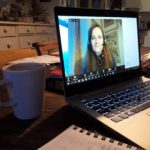
Life has shifted for all of us.   Last week was full of webinars and teleconferences.  That’s pretty much business and usual for us here at INTO.  (Here I am on an Interreg Europe webinar on Thursday!)  But for many of our colleagues, being confined to barracks is very new and unsettling.

As we stand in solidarity with members of the international National Trust movement, now’s the time to work together.   To share ideas and approaches, concerns and worries.    And to think of things we can do to help each other in these extraordinary times.

Keep well, everyone and look forward to speaking tomorrow!

Visiteering – a mix of visiting and volunteering

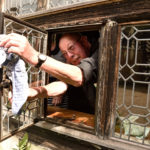
A volunteer cleaning windows at Little Moreton Hall, Cheshire ©National Trust Images/John Millar

Building engagement at heritage sites through visiteering

Our Innocastle partners identified two specific practices they wanted to share from their study visit to the UK in May.  These are now available on the Interreg Europe Policy Learning Platform.  And the second, on visiteering, is summarised below.  (The first, covering cultural programming, can be found here.)

Readers directed here from the Policy Learning Platform – please scroll down for a selection of resources.

What is visiteering?

The National Trust has recognised that societal changes are affecting people’s ability and willingness to volunteer. It has therefore developed a more flexible volunteering offer, including one-day visiteering.

Micro-volunteering makes it easier for people with limited availability to participate and make a difference.  It also allows the Trust to target the demographics missing from its volunteer base.  Like for example, parents of young children whose free time is often limited.  By giving these new audiences an insight into the work of the castle team, allowing them to see behind the scenes and participate in vital conservation work, the Trust is able to build vital public engagement.

National Trust properties, like Croft Castle, identify bite-size, drop-in volunteering opportunities for visitors.  These are likely to be fairly informal, with no commitment to repeat.  Furthermore they often involving short and specific actions that are quick to start and complete.  Such as cleaning items from the collection, helping gardeners rake up autumn leaves or plant bulbs, or decorating a historic house for Christmas.  People will often sign-up and join in on the day of their visit.

Benefits of visiteering

Visiteering is less about the principle of ‘many hands make light work’ (i.e. the economic value of volunteering) and more about the relationship between the Trust and the volunteer. This social value is hard to measure.

However, many National Trust sites now offer some kind of visiteering experience and a recently commissioned NT report into trends from now to 2030 found that micro-volunteering offers an opportunity for greater personal control over time commitment.

Winter clean at Blickling Estate, Norfolk ©National Trust Images/Antonia Gray

Resources

Trends 2030 – Preparing for the Future: A report commissioned by the National Trust of England, Wales and Northern Ireland, from M&C Saatchi. It identifies six major themes that could impact the NT’s relationships with audiences.  Namely citizenship, nurture, control, connection, narrative & identity, automation (NTEWNI, 2018)

The New Alchemy Report – How volunteering turns donations of time and talent into human gold : A major report into volunteering.   Everyone volunteers for different reasons but we can group them into three broad categories: altruistic motives, instrumental motives and obligatory motives.  Or more simply: to give something back; to improve your CV or ‘because you should’.  The report authors talk about volunteering transforming both the giver and receiver.  Volunteering brings out the best in people.  And is therefore a kind of ‘alchemy’, turning donations of time and talent into the equivalent of human gold (NFP Synergy, 2015)

National Trust for Scotland’s Volunteer Handbook: An example of the sort of information given to new volunteers (NTS, 2016)

Recruiting Volunteers: A short guide by INTO Volunteer Co-ordinator, Julie Thompson

Investing In Volunteers: A Guide to Volunteer Management: To successfully establish a volunteer programme, the organisation must commit both financial and human resources. The challenge is to create opportunities for interesting and meaningful work that furthers the goals of the organisation and meets the needs of the volunteer (National Trust for Historic Preservation, 2008)

Making the most of the 21st Century volunteer: A selection of resources from the National Trust of England, Wales and Northern Ireland

National Trust of England, Wales and Northern Ireland’s Volunteer Managers Training

Watch a video about volunteering with the National Trust of Australia (Victoria)

Programming for heritage

© National Trust/John Millar

Everything speaks: Increasing visibility of heritage sites through cultural programming

Our Innocastle partners identified two specific practices they wanted to share from their study visit to the UK in May.  These are now available on the Interreg Europe Policy Learning Platform.  And the first, on cultural programming, is summarised below.

Readers directed here from the Policy Learning Platform – please scroll down for a selection of resources.

What’s the point of programming?

Today historic castles, manors and estates all face stiff competition from other leisure pursuits.  Managers and owners can’t simply fling open the doors and expect people to come flooding in!

The National Trust (England, Wales and Northern Ireland) has found that by far the best way to grow audiences is not traditional marketing or even free tickets, but by changing the offer.  Short of appearing in a Hollywood movie, which always drives up visitor numbers, cultural programming is the next best thing.

Programming is a way of creating and organising new experiences of your property, and presenting them in a way that appeals to your target audiences, or even different audiences concurrently.

Outdoor sites and gardens attract people back time and again, for a gorgeous walk or a stunning view or a favourite picnic spot.  Moreover, they naturally programme themselves through the seasons. But static historic interiors may be perceived as one-off experiences.   So programming allows the site to have multiple layers during the year.  Thereby attracting an audience back multiple times.

National Trust programming is sometimes an adjustment to things a property already does.  Like feeding the deer every afternoon or daily knighting ceremonies.  Or it can be more ambitious.  Like turning Powis Castle back into a school for the season.  Or a high-profile art installation. Historic places are not just an incidental backdrop, in each case they are integral to the whole enterprise.

The Word Defiant! art installation at Blickling, Norfolk ©National Trust/Neil Jakeman

Resources

Everything speaks – Reasons to return: Questions, tools and sources of inspiration to help you construct a property programme that both conveys the spirit of your place and supports your business plan (National Trust of England, Wales and Northern Ireland, 2015)

Inspiring Creativity – Heritage & The Creative Industries: An excellent set of case studies illustrating the relationship between heritage & the creative industries.  Along with convincing evidence for why it matters (The Heritage Alliance, 2019)

Arms Wide Open: Our own INTO Report with case studies and resources from INTO members about the work they are doing to increase diversity, inclusion and equality (INTO, 2019)

Prejudice and Pride – LGBTQ heritage and its contemporary implications: An evaluation of the National Trust’s 2017 National Public Programming theme. Firstly, how can heritage organisations uncover, understand and interpret the lives of people closely linked to their sites who challenged conventions of sexuality and gender diversity.  Moreover, what is the contemporary significance? And finally, how might these narratives be used to engage diverse audiences in contemporary debates? (National Trust, 2018)

Women and Power – Key findings: A evaluation of four National Trust properties that received funding from the Women’s Vote Centenary Grant Scheme and/or were part of the National Partnership Programme with the National Portrait Gallery (NPG and Women’s Vote Centenary Grant Scheme, 2019)

Isolation and loneliness: A research report into a project at Calke Abbey exploring the contemporary issue of social isolation and loneliness in 2019 in order to mark the 200th anniversary of the death of Henry Harpur Crewe, 7th Baronet of Calke Abbey who was dubbed ‘The Isolated Baronet’ in his own time.

Open arms, doors and gates (Weekly blog, 15 September 2019)

A blog by Catherine Leonard, Secretary-General

Open Days

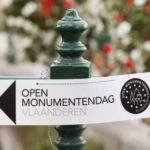
Last week saw the beginning of this year’s Heritage Open Days in the UK.  The festival, celebrating its first 25 years in 2019, is co-ordinated by the National Trust.  And there are other INTO members that also run open days in their territory.  Like Herita in Flanders which manages Open Monumenten.  And Manx National Heritage.  Also FAI in Italy with their Giornate FAI di Primavera (or FAI Spring Days).  Or the National Trust of Slovakia’s Open Gardens Weekend.  As well as Trusts in Australia (Brisbane Open House) and the Barbados National Trust Open House Programme.

Why open your doors?

Open days are a good way of building awareness.  The idea of the ‘Journée Portes Ouvertes’ began in France in the 1980s.  Heritage protection, previously focused on large, prestigious and ‘honey pot’ sites such as cathedrals, castles and palaces, was beginning to open up.  More ordinary buildings like shops, cinemas, cemeteries and 20th-century buildings became of interest.  At the same time a policy of decentralisation and citizen involvement in decision-making brought people into closer contact with their heritage.

The formula of the heritage day is to open, once a year on a special day or weekend, a number of historic buildings free of charge.   And to provide information about their history, guided tours, concerts, craft demonstrations or activities for children.  The idea is to open all sorts of buildings, not just protected monuments but anywhere that can tell a story.  And preferably somewhere normally closed or only offering partial access.  Such as being allowed to go past the information desk at the town hall to visit the mayor’s office, the cellar or attic.

FAI, the Italian National Trust’s successful ‘Spring Days’ programme

European Heritage Days

Heritage Days now take place in the 50 signatory States to the European Cultural Convention.  They highlight local skills and traditions, architecture and works of art.  But the broader aims are to raise awareness of cultural diversity; stimulate appreciation; encourage greater tolerance; highlight the need to protect cultural heritage against new threats; and to invite Europe to respond to the social, political and economic challenges it faces.   Over 20 million visitors come to these heritage days which have now grown to include other countries around the world.

Tips for success

Some good tips for a heritage open day include letting children guide visitors around monuments, perhaps as part of an ‘Adopt a Site’ school project.  Using it as a platform for a new publication, exhibition or starting/completing a restoration project.  Producing brochures, leaflets or maps that can be shared with tourist agencies afterwards.  Even keeping sites open on a more regular basis after ‘testing’ interest through a heritage day.  And finally advocacy.  Local politicians can be invited to give a speech at the start of a heritage day.  And they are often surprised by the depth of interest of their audience!

When Herita celebrated thirty years of Open Monuments, they produced this useful guide for planning open days.  30 ideas to inspire your planning for next year!

Open all hours

Last week, we convened a meeting between American INTO supporters and National Trust colleagues.  It was a wide-ranging conversation and one of the topics we touched upon was Parkrun.  Andy Beer, NTEWNI Director of the Midlands, spoke about the first parkrun at Killerton in Devon. Now the Trust hosts over thirty parkruns at different properties, making it the biggest provider in Europe.

For those that don’t know, Parkrun organise free, weekly 5km timed runs all around the world. The one at Killerton takes place every Saturday at 9am.   (So outside normal opening hours.)  Average weekly attendance is about 230.

Andy spoke passionately about the success of the parkrun partnership.  By opening its gates to runners, the Trust is engaging with different people in a different way. People enjoying running around beautiful parks and steadily over time, their love of place grows.  Furthermore by opening its cafés, the Trust is also welcoming non-runners (and making a bit of money!).

He cited three factors for success: being open to partnership, giving up control and attracting new audiences.

(Programming was one of two official ‘good practices’ the Innocastle partners and stakeholders took home from their visit to Wales this May.)

On yer bike!

Andy added that the Trust is continuing to open up new cycle routes on its land.  Some of these are in eighteenth century parkland.  Where, interestingly, the landscape is designed to be viewed from a carriage … Not unlike a bicycle!  In some cases, the organisation is therefore reinstating lost carriage drives.  This not without controversy as tarmacking nature is not always popular.    Eventually, the Trust plans to develop the sort of bike routes that connect cities and towns. But at the moment opening up safe spaces for children to learn to ride is proving particularly popular.

Cycling with Innocastle in Gelderland (with thanks to Paul Stein for the photo)

Driving attendance

Andy revealed the best way to increase attendance at an NTEWNI property. Not by offering free tickets or marketing.  No.  By changing the product.  Obviously being in a Hollywood movie helps but otherwise the Trust has found that contemporary art installations work well.  (Rather than exhibitions about NT collections, interestingly.)  So, think Grayson Perry and Anthony Gormley rather than Sèvres pottery or portraits.

A new report Inspiring Creativity, Heritage & The Creative Industries by INTO partners, The Heritage Alliance demonstrates the importance of heritage organisations, buildings and places in underpinning the creative industries.

What parkrun and Heritage Open Days have in common is about offering something for free.   Moreover by getting people in through our open doors and exposing them to our work, they too can fall in love with our places!  It may be a long process of gently growing engagement, but it should be worth the wait.


Sonsbeek Symposium (Weekly blog, 30 June 2019)

A blog by Catherine Leonard, INTO Secretary-General

Sonsbeek sitting rooms*

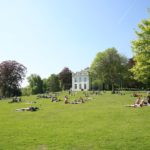
On the second day in Gelderland, we joined a symposium with a number of other stakeholders.  (More about our incredible first day in Gelderland this blog.)  It took place at Villa Sonsbeek, a beautiful estate on the outskirts of Arnhem.  It is Sonsbeek that joins up to the Gelderland Trust property, Zypendaal, creating a huge green lung for the city.  And Sonsbeek did not disappoint.  The property was full of people the day we visited.   Cycling, walking, soaking up the sun – a really amazing public park.

Villa Sonsbeek, Arnhem, the Netherlands * Providing ‘open-air sitting rooms for the poor’ was one of Octavia Hill’s reasons for establishing the National Trust

Everyone welcome

It was brilliant to hear from Jeroen Glissenaar, the park manager, about the site’s development over the past twenty years.   He said that when he started he could not have imagined beavers in the river, barbecues and sleepovers in the woods.  His keys to success were a strong set of ground rules but an openness to new ideas.  It was important to make young people feel welcome.  If you tell them off and send them away, that gives them an opportunity to rebel.  But if you work with them, they will take on responsibility for the site.  This was the workshop outcome that resonated most with me.

Adapting a 19th century park for the 21st century

Another closely linked theme was about heritage tourism and spatial design.  How to adapt the 19th century park to a modern audience?  How to accommodate far more people than it was ever designed for? Yet with far less gardeners and much cheaper maintenance needed.   And how to balance good conservation and ecology with amenities like car parks and toilets?

Spatial fragmentation

This theme continued into the workshop about public country estates in Arnhem: how they work together and share an advisory board.  Which in turn led into the discussion about fragmentation and multiple ownership.   I joined this group to find out more about the spatial approach theory expounded by our partners.  So it was really interesting to explore the issues with the group.   We agreed that it was important to answer the question: “What’s the problem we’re trying to solve?”.  The value of a common goal, good leadership and collaboration amongst the stakeholders were also vital.   As was acceptance that progress might take a long time and might be messy and/or non-linear.

Elyze Storms-Smeets addressing the Sonsbeek Symposium


Conservation in a changing climate – environmental and political

The fifth workshop was about climate change and everyone agreed that landscape was the key to the solution.  A regional and multi-scale approach was recommended, alongside a design atlas of possible solutions. The participants highlighted how useful it was to have international perspectives from the Spanish and Romanian Innocastle partners.

Lastly, delegates discussed policy and the role of governments.  This sounded quite a fun workshop with some interesting roleplay techniques which the Innocastle partners said they would use at home!  The importance of relationships and empathy was emphasised.   This was not a written agreement but a long-term personal rapport.  The key message to government was ‘Don’t start with the rules, start with ideas’.  And to owners ‘Don’t start with fixed plans, start with ideas’.  Comparisons between decentralisation in Flanders and Romania were made.  And one recommendation was to get students in to help you to think outside the box.

Summing up

What stood out for me throughout the two days was firstly the warm welcome.  ‘Open arms’ to the public but also across the sector (and beyond).  Perhaps a sort of ‘open hearts and minds’ approach?   Secondly, innovation and risk-taking.  Not always doing the same thing just because we always have.  And taking brave decisions together.   I’ve said it before, but people think our work is about the past when it’s actually about the future.

Partnership working

The last thing that struck me, and perhaps most importantly, was collaboration and partnership.   Our colleagues in Gelderland work brilliantly together in a true spirit of Dutch tolerance and cooperation.  Moreover at all levels: urban/rural; public/private; state/ngo and even internationally through Innocastle and other projects.

All our partners show a willingness to learn and share, to open their minds to new possibilities and to work together to find new solutions for each other.   It really is such a privilege to be a part of this project.

School talk

Last week, I gave a lecture to my old school about learning languages.  So much material here, I could write a whole other blog.   But I ended it by saying this, which I think is important for Innocastle too: We live in uncertain times and, however we choose to do it, by speaking to someone in their native tongue, by being more patient and understanding when people speak English to us or simply by being open, reaching out and connecting to people from other countries, we really must continue to uphold the values of internationalism and solidarity that were so hard fought for in the last century.

A bit heavy for a school lecture and even this blog but this was underlined for me this week with our Innocastle friends.

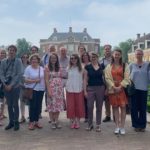
Delegates at the Sonsbeek Symposium

INTO Castles? (Innocastle study visit to Gelderland)


This week, 25-28 June 2019, we are in Gelderland on a study visit for the Innocastle project.   The programme involves visiting a number of country houses, a symposium with stakeholders from the province and various partner meetings.  The full programme can be found here.  One of the best bits is going to be catching up with INTO friends from the Gelderland Trust.  But we’re looking forward to exploring all the beautiful sites and meeting all the passionate people who look after them.

The first day began with a project partner meeting.  Very important to keep on top of all the tasks and budget whilst we are all together!  We then set off by coach to visit four manor houses.  Four seemed like quite a lot but then you realise they are cheek by jowl here (completely amazing!).

First stop, Middachten

Vital volunteers

We saw how Middacthen had benefited from close co-operation with the local authorities and the local population, in the form of volunteering.   The privately-owned estate benefits from the gifted time of over 120 volunteers.  And we saw a group of ladies working hard in the herb garden.  We also enjoyed refreshments in the Orangery and a tour of the whole beautiful garden. Much that was familiar: from the grass tennis court to the pet cemetery!  But actually in the very feeling of the place.  I was interested in the ‘One Tree’ project or ‘1-boom’.  An ancient oak from the estate was felled and then used in all sort of art installations and crafts. The project showed how traditional forest management and contemporary arts can go hand in hand. Moreover how important wood is for the region and how it can inspire designers and artists.

Movable shed

The restoration work at Reuversweerd is not only very high quality but also a learning place for students.   The ‘movable shed’ provides an excellent classroom for vocational training.  The team are also working out how to tell the painful stories of World War II.  The owner closed down Reuversweerd after the war, when it was damaged by Canadian mortar attacks.  It was left boarded up for seventy years before an entrepreneur decided to buy it.  He plans to turn it into an executive retreat.  But he wants to tell the full story in the restoration.  So, how to preserve the bomb damage and eerie quality of some of the rooms?

Reuversweerd, being restored after a long period of desolation (since World War II)

A family affair

Natuurmonumenten took on Hackfort in the 1980s after the last of the family died.  They continued to rent out the apartments to begin with but recently decided to convert them to holiday lets.  We visited on the eve of the grand opening, which was fascinating.   The apartments are beautifully decorated, and each is named after the previous family occupant.  They sounded very interesting characters!  The Count liked to drink his wine from glasses with no ‘feet’.  And there was no electricity in the whole house when Natuurmonumenten acquired it!   It was interesting to see an estate in multiple use: holiday lets, house museum, restaurant and other businesses, farming and nature reserve.  And the impact this has on car parking, the need for more volunteers, the bike trail.

Natuurmonumenten’s Hackfort site for which they are finding new functions

Best kept secret garden

And lastly the magical De Wiersse Gardens

The last site on our tour was De Wiersse.  This is a charming garden with around 6,000 visitors a year.   We were shown around by Anglo-Dutch owners, Mary Gatacre and her mother, Laura.  They both took the time to share their favourite spots and stories, which was really lovely.  It was interesting to hear from the local water board about plans for reinstating the old stream.  The river was canalised in the 1960s when the Dutch needed to grow more food after the war.  Now, because of climate change, it’s more important to keep the water.

We had supper in an extension to the old garage.  Built to accommodate a car collection which never materialised as the family’s money ran out!  It was the most beautiful garage I’ve ever been in, that’s for sure! And it was a truly spectacular evening.  I sat next to Mary and she told me they could not survive without the subsidies they receive.  Alongside rent from the farms.   Part of the challenge is a large garden and small estate.   Mary also told a lovely story about doing conservation work in Romania when she was 18.   Irina Leca knew the project (from the Mihai Eminescu Trust) very well and the people involved, which was a lovely connection.

The perfect end to a perfect day (De Wiersse)!

The idea of European unity (Weekly blog, 2 June 2019)

A blog by Catherine Leonard, Secretary-General

National Identity and the idea of European unity

Last week, we invited experts to discuss local loyalties in relation to the cosmopolitan ideal of world citizenship. Irena Edwards, Chairman of the Czech National Trust, Joep de Roo from the Innocastle project and Sneška Quaedvlieg-Mihailović, Secretary-General of Europa Nostra took to the stage at the Hay Festival.  Justin Albert moderated the discussion which explored how we maintain and celebrate national distinctiveness in the face of globalisation; what role cultural heritage can play as we learn to understand each other and accept diversity; and whether it can help us bridge the gaps, both at home and abroad.

Balkan background

It was an opportunity to bring to life our important partnership with Europa Nostra; to show how we have supported the development of a new European Trust in the Czech Republic and to present our work with the Innocastle project.  Innocastle seeks to demonstrate the importance of partnership in the sustainable revitalisation and future-proofing of heritage sites. It will also alert policy makers to the need for effective funding to enable them to become self-sufficient.  Lastly, Innocastle has a big focus on our shared European identity, which is highly relevant to the discussion.

Sneška began by explaining that she came from a country that does not exist anymore – Yugoslavia.   She is proud of her Serbian roots but also proud of the Netherlands, the country of her husband.  And of Europe.  Moreover she is fighting to promote the concept that we can all be European, whether Serb, Welsh or Dutch.

Sneška stressed that it is a shared culture not Brussels or politicians that bring Europe together. She said that when we watched Notre Dame burn we all felt we were losing something.  We can all love the local and the European – that is not a contradiction.   She also stressed the need to have different perspectives on history, not just a nationalistic one.

Another brick in the wall

Joep recalled how everyone wanted to be at the Pink Floyd concert in Berlin after the Wall came down.  Heritage and culture has the power to bring people together across borders.

He explained that the Innocastle project is working with people all over Europe to tell our shared story.    Moreover this event marked the culmination of a study visit by a large delegation that had come to learn from each other in Wales.  The team had heard about ways to bring heritage back into the hands of people.  Also how to engage the young and how to be financially sustainable.  The importance of collaboration was highlighted.

Irena spoke about camping in Zagreb aged 13 when the Russians invaded her homeland, Czechoslovakia, in 1968.   She came to England in the late 1980s and eventually had a successful career as a lawyer.  But her ‘tribe was calling’ and she set up the Czech National Trust five years ago.  Her grandmother had been the custodian of a castle so she understood the attraction – and challenges!

Joep explained that he had lived in Romania for 8 years.  He had seen how civil society could develop community feeling by focussing on the small and intimate.  He stressed the importance of telling the right stories and reaching out to the wider community.  The National Trust with all its volunteers was a good example of this, he added.

Unity in diversity

There is nothing wrong with being part of a tribe.  But only if you share common values and remain collaborative and open.  Sneška added that Europe is not homogenous. And that it is diversity that makes it strong.    She also recommended looking for European and global stories in the local community, local heritage.

The answer will never be to build walls and fences, but rather bridges.   Justin explained that a recent survey of Tredegar House near Newport showed that every European country was represented in the collection and stories.  Every continent, even.

Local property

Irena described the importance of ‘need’ and catching the public’s imagination with your first property. She told the story of the Czech National Trust’s first site, the tomb of writer, Marie von Ebner-Eschenbach.  The Communist era had been very damaging to the physical heritage, but also people’s attitudes.  There is an expectation that the state will do everything.  So selling the concept of a heritage ngo is challenging.   However, one of the ways to shine a light on the issue was through INTO working holidays.   Overseas volunteers have proven a catalyst for uniting people to save property.

Joep described a Romanian castle that had been restituted to its former owner, Count Teleki, and his efforts to restore it.  He reflected on the story of Hay Castle and its saving by the local community.

Heritage can bring us together

Sneška finished the presentation by talking about the European Year of Cultural Heritage in 2018.  We can’t reduce Europe to economics – it has to have a soul.  Moreover it is a vehicle for peace and reconciliation.  She explained how important heritage features had been destroyed in Yugoslavia to damage the opposition.  But that after the war, people had come together to rebuild the Bridge at Mostar, for example.   It was a similar story in Nicosia where a divided city is being glued back together through the heritage of the Buffer Zone.   She expressed hope that cultural heritage could bring communities back together in the UK too and called from more investment in culture and education.

Political apathy

INTO also sponsored David Lammy’s Octavia Hill Lecture on Tribes, chaired by our Trustee, Justin Albert.

When The Rt Hon David Lammy MP, Member of Parliament for Tottenham, first entered the House of Commons in 2000, he said the country was suffering from political ‘apathy’.  (Interesting that we used the same word to describe the biggest threat to heritage in our 2016 ‘State of Global Heritage Report’.)  He said the slow hand clap given to Tony Blair by the Women’s Institute Conference was about as shocking as politics got in those days. By contrast he asked how can you not be passionate today with everything that’s happening.

Lammy spoke about the different tribes he belongs to.  His family is from the Caribbean but after a DNA test taken as part of a Science Museum project when he was Culture Minister and leading the UK’s work to commemorate the Abolition of the Slave Trade in 1807, discovered they descended from the Tuareg people of Niger.   He spoke of how this knowledge made him ‘stand a little taller’ with more of a sense of ‘who I am’.

More Tottenham than Tuareg

He went on to say he was not really Tuareg but ‘more Tottenham’ and that his parents were part of the Windrush generation who gave so much and took so little.

The story doesn’t stop there however as Lammy won a choral scholarship at Peterborough Cathedral in the 1980s.  He joked about appearing on TV for the first time, on Songs of Praise, in a dress!  But made the more serious point that his East Anglian tribe reflected the polarisation of today, where they were suffering a powerful sense of longing and loss.

Lammy wondered how it was possible to come back together in the face of massive inequality, the power of social media to divide and elicit visceral, tribal responses, and the threat of globalisation.   He said that the 20th Century had been about the self-actualisation of women, working people, people of different sexualities and races, with charismatic leaders like Pankhurst, Ghandi, Mandela, Milk.  He wondered what the story of the 21st Century would be.

Civic nationalism

Lammy urged us all not to define our Englishness by our DNA.   He spoke about the importance of shared values and a civic nationalism (not an ethnic nationalism).   We need to teach our children more history than Henry VIII and the defeat of Hitler.   (He also recommended the introduction of compulsory national Civic Service, more night schools and a written constitution that sets out British values.)  We need to give neighbourhoods back their pride – how can people be content with supranational bodies if they are not happy locally?

Finding space to encounter one another is important and could be a role for heritage sites and the National Trust: Places of common ground can help us come together and rebuild our nation.  It starts at local level.

Powerful storyteller

On the topic of the growing divide in Britain today, Lammy said ‘Stories are important but let’s tell the whole story, let’s tell an inclusive story. If we’re brave enough to tell the story warts and all, then Britain will have the best story in the world because we would have learnt so much from our mistakes’.  We need to get serious about who we are.

How this relates to our work at local level

Lammy’s rousing talk explored the concepts of tribalism and how we can learn to compromise and come back together again.  So the patriotism that is inclusive and open to newcomers, the ethnic or religious pride that celebrates a particular culture or faith tradition rather than denigrates others as inferior – rather than the harmful tribalism that excludes and divides.

There were many links to our INTO panel discussion and it was a pleasure to be involved in both.

The National Trusts of the world and similar organisations work to preserve heritage for future generations but they are actually also about telling stories, providing access and creating space for reflections on current issues.   When I think of how many people I know who voted for Brexit (a mere handful) I recognise that I live in a separate bubble, populated by other people who think and act like me.  ‘Them and us’ never ends well, as Lammy himself said. How much better then to find common ground – and what more ‘common ground’ than the beautiful places offered by the National Trusts?

European co-operation continues in Wales

European heritage collaboration for inspiration and to improve heritage policies

Last week, a group of policy makers and heritage experts from Romania, the Netherlands, Belgium and Spain came to the UK to gather inspiration in how to better support historic castles, manors and estates in their regions. The visit is part of our Interreg Europe funded project, Innocastle, where the National Trust, through INTO, acts as the knowledge partner.

It was wonderful to have three INTO member organisations represented: Herita in Belgium, the Gelderland Trust and of course the National Trust of England, Wales and Northern Ireland.   Being part of Innocastle is an opportunity to learn and share with our European colleagues” said Catherine Leonard, INTO Secretary-General and project co-ordinator for INTO/National Trust.

The group of 22 experts visited several castles: Powis Castle in Welshpool, Croft Castle in Yarpole, Eastnor Castle in Ledbury and Hay Castle in Hay-on-Wye. (The full programme can be found here.) The main themes approached by the partners were:

  • Business diversification: Learning from the experience of their British counterparts with the aim of stimulating the development of sustainable businesses at castles, manors and estates? “I was really surprised about the business side of the National Trust. That every site has to be financially stable, it was something I didn’t expect” commented Bert de Roo from the University College Ghent in Belgium.
  • Volunteering: How to create long-term engagement with local communities and volunteers? “What I liked the most is how the local community is involved at all levels – as visitors, but also as volunteers. And I think this is brilliant. This is how it should be done.” said Florentina Matache of the National Institute of Heritage in Romania.

Ten top tips for INTO member organisations managing or owning properties

The following are practical ideas and practices generated during INTO/Innocastle’s visit to Wales in May 2019 that may help in making your property more visitor friendly and relevant (with many thanks to June Taboroff for pulling these together):

  • Keep it open: Is it possible to extend existing open hours to holidays, evenings or simply more days a year to increase visitor numbers and repeat visitors? Think about having a Neighbors’ Day in which people living locally can visit the property free of charge and take part in activities.
  • Keep it accessible for all: Are there inexpensive ways to make it easier and safer for visitors to reach the property such as installing handicap access ramps, improving parking facilities, providing bicycle to rent, or using mini buses?
  • Keep it friendly: Welcome visitors – add Welcome to your entrance signs and be sure that property staff greet visitors with a genuine welcome and thank them for their visit on departure.
  • Keep it interesting: Include the stories of the former inhabitants in the presentation and interpretation of the property.  Delve into its history to discover events and anecdotes that will intrigue visitors of all ages and backgrounds.  Use the property archive to illustrate its past.
  • Keep it safe: Review security assumptions for the property, for example replacing stationary room wardens with security cameras and a roving warden.  This can be cost saving – and more efficient.
  • Keep it enjoyable: Provide discovery activities for children, places for children to play outdoors, seating in the house and garden, and simple refreshments. Offer a good day out.
  • Keep it affordable: Analyse revenues from the property – ticket sales, catering, rental for weddings, filming etc – to understand what is doing well and where you earn the highest margins.  What are other ways to pay the bills?
  • Keep it in the eye of local and national government: Seek out ways to align the interests of your property with politicians and policy makers by investing energy into identifying areas of mutual interest such as education and training, transport access, and health and well being.
  • Keep planning: Involve staff in setting priorities for maintenance, training, and programming.   Encourage their ideas.
  • Keep in sight the property and its surroundings: Understand the connection between built heritage and landscape and see how these elements can be brought together in the site’s presentation and activities for enjoyment.

The value of European co-operation knowledge sharing

In a recent publication ‘Fostering Cooperation in the European Union on Skills, Training and Knowledge Transfer in Cultural Heritage‘, the value of projects like Innocastle is underlined:

“In the space of just a few years, the European policy framework on cultural heritage has been completely overhauled, moving towards a people-centred and holistic approach, and eliminating the divisions between the tangible, intangible and digital dimensions. It sees cultural heritage as a shared resource, highlighting that all stakeholders share responsibility for its transmission to future generations. It stresses the need for a more integrated approach to conservation and management, across different policy areas, in order to maximise the benefits to economy, culture, environment and society as a whole. It acknowledges the opportunities that new technologies offer to preserve cultural heritage, and to enhance the visitor experience and public engagement at heritage sites and museums. This new framework changes the way in which cultural institutions manage, protect and provide access to their heritage. It changes the way in which citizens and communities engage with their cultural heritage and also naturally influences the way that professionals deal with it.”

“The most effective way to manage, protect, promote and enhance Europe’s irreplaceable cultural heritage is to ensure that the people who do this work (and all stakeholders who make decisions affecting cultural heritage) have the traditional and emerging skills required to fulfil these complex, challenging and necessary roles.”

“While Europe is renowned for its expertise in this sector, the transmission of knowledge and skills is impacted by the combined effect of Europe’s age pyramid, cuts to public budgets, the digital shift and the academisation of society. New skills and competences are needed to progress towards a more integrated and participatory management of cultural heritage, and better use of the opportunities offered by new technologies. Europe urgently needs to enhance, promote and protect the technical and professional skills of the people who ensure the longterm sustainability of its cultural heritage. People are central to the transfer of knowledge and skills, so it is important to invest in them in order to safeguard Europe’s heritage.”   

You can read the full report here.

Continuing the conversation, Thursday 30 May 2019 at the Hay Festival

The conversation will continue during the debate National Identity and the idea of European Unity when European heritage experts Dr Irena Edwards (Czech National Trust), Joep de Roo (Innocastle and OpenHeritage), Sneška Quaedvlieg-Mihailović (Europa Nostra) and chairman Justin Albert (National Trust Wales) will be discussing questions of local loyalties in relation to the cosmopolitan idea of world citizenship through the lens of heritage and history.  (You can now read Catherine’s report on the Hay Festival debate here.)

Innocastle – Innovating policy instruments for historic castles, manors and estates

European historic castles, manors and estates have the potential to become local catalysts for regional development and innovation. Innocastle prepares them for the future by stimulating resilient policies for conservation, transformation and exploitation. The consortium of partners is composed of: National Institute of Heritage in Romania (lead partner), University College Ghent in Belgium, Province of Gelderland in the Netherlands, Provincial Government of Badajoz in Spain and the National Trust in the United Kingdom of Great Britain and Northern Ireland (knowledge partner). The project is financed by Interreg Europe, with a total budget of €1,120,335.00 (85% ERDF, 15% national co-financing).

You can find out more about the Innocastle project here.

Getting into Innocastle (Weekly Blog, 12 May 2019)

A blog by Catherine Leonard, Secretary-General

This week has definitely been focussed on Innocastle.    It was another short week, due to a Bank Holiday Monday.  (And another weekend in the garden!  I love May … ) Slightly concerned that people may have missed some of my blogs since Bermuda. I’ve been playing catch up so they came out late and have therefore circumvented the alert system.  Please click the links to read about Alex and my trip to France; what I’ve been up to in my garden; my family visit to New York City; and learnings from Bermuda.

Innocastle

So, in advance of the forthcoming visit by the Innocastle team to the UK, here is a bit of a preview.  The 5-year project aims to develop heritage-friendly policies in the European regions in Spain, the Netherlands, Belgium and Romania.  We, with the National Trust (EWNI), are the knowledge partner.

As we know so well here at INTO, all over Europe beautiful castles, manors and historic estates are suffering from insufficient funding.  The project aims to revive some of these sites and create business models for the future by improving policies and developing new products.   The project, funded by Interreg Europe, supports the exchange of experience and development of action plans.  These action plans seek to improve regional policy instruments on heritage castles, manors and rural estates.

Study visit to Wales

The visit to the UK focusses on business diversification and partnerships. The team will be visiting sites in Wales and neighbouring Herefordshire.  The study visit locations have been selected to show a variety of historic castles and estates.  All owned and managed in differing ways, all supporting their key significances and ensuring a sustainable future.

Powis Castle and Gardens

Once the seat of the Princes of Powys, Powis Castle became the Herbert Family home in 1578. Formally transferred to the National Trust in 1952, the castle and gardens have been gradually developed as a tourist attraction.  They now attract over 160,000 visitors a year. The castle, collections and 17th century terraced gardens are internationally significant.  They are owned and managed by the NT while the estate has remained in the management and ownership of the Herbert family. This dual arrangement is unusual in the UK and means that the NT and the family need to work closely to ensure both interests are recognised and met.  The Clive Museum features more than 300 items from India and the Far East and is the largest private collection of its type in the UK.

In addition to a behind-the-scenes view of the multi-layered historic castle and gardens, the visit will also look at the role of volunteering and business planning within the management of an historic estate.

More Inno-castles

Croft Castle and Parkland illustrates 1,000 years of power, politics and pleasure in an intimate family home.  The Croft estate was founded by a Norman knight, Bernard the Bearded around 1055. Under orders from Edward the Confessor, Bernard built the first Croft castle to protect the English borders from the troublesome Welsh.   The family continued to live here – with some intermittent periods of absence – and develop the castle until 1957.  Then it made an arrangement with the National Trust in order to save the castle and estate for the nation.

Croft Castle and Parkland

The estate is a great example of how accessible castles and estates can make history for all age groups.  The visit will explore the role of education and interpretation within the management of historic properties, and understanding audience.  Current exhibits include the Second World War era when the castle served as a school for evacuated children.

A privately-owned castle

Eastnor Castle lies in Herefordshire at the foot of the Malvern Hills on the edge of the Cotswolds. Surrounded by a beautiful deer park, arboretum and lake, Eastnor Castle is the home of the Hervey-Bathurst family. The family moved to the area in the 1590’s, and the current castle dates from 1812. The family have developed and continue to run the castle, estate and attraction.   The current owner will explain his business plan and how the whole is estate is put to work.

Eastnor Castle

Hay Castle, located in the town of Hay-on-Wye, is one of the few remaining great medieval defence structures on the border of England and Wales.  Built in the late 12th century by the powerful Norman Lord William de Braose, its history is long and turbulent.  For a large part of the 19th century the castle was lived in but was then bought and sold a number of times. Then in the 1960s it was bought by a book collector and seller (Richard Booth). In 2011 the Hay Castle Trust, a community charity, purchased the castle from Booth.

The Hay Castle Trust has received funding from the National Lottery Heritage Fund to conserve the medieval and Jacobean buildings.  Furthermore, new facilities will be added such as a viewing platform, exhibition space and café. Nancy Lavin, Director of the Hay Castle Trust will meet the team to talk about the partnerships and plans that have helped save this at-risk castle.

Hay Castle

Innocastle workshop

Our keynote speaker at the Thematic Seminar will be Ben Cowell, Director General of Historic Houses.  Ben used to work for the National Trust and many of you will have met him at our Cambridge Conference in 2015.   Ben will draw on this experience, as well as a civil servant working on heritage policy issues.  He is also currently Deputy Chair of the Heritage Alliance and Chairman of Visit Cambridge.  As such Ben will share a wealth of knowledge about innovative business diversification at heritage sites.  All set against the challenges and rewards of working within the UK policy and funding context.

It promises to be an exciting and inspiring visit!  Please do follow and join in the conversation using the hashtags #innocastle and #interregeurope.   Check out the full programme here.

Innocastle Update (Newsletter, March 2019)

Here is the latest news from our EU-funded Innocastle Project (click the picture below to open pdf document).

The subjects covered in the newsletter include:

First stakeholder meeting in Flanders

University College Ghent organized the meeting to discuss the Decree on Immovable Heritage in Flanders

Third partner meeting

Innocastle partners met in Brussels between 4-5 February 2019 to dive deeper into each policy instrument.

Study Visit Romania

Learning report of the first study visit and thematic seminar on quality in restoration and public-private partnerships.

Methodology Innocastle

A key deliverable of Innocastle is the baseline survey, a comparative study that will feed in the action plans.

Why invest in private heritage?

Dutch study shows that for investing in (private) heritage houses brings wide benefits in the whole regions.

Official project kick-off in Romania

Innocastle kicked off officially in Romania. It was followed by a debate on quality in restoration.


Innocastle is about innovating policy instruments for preservation, transformation and exploitation of heritage castles, manors and estates. European historic castles, manors and estates have the potential to become local catalysts for regional development and innovation. Innocastle prepares them for the future by stimulating resilient policies for conservation, transformation and exploitation. The consortium of partners is composed of: National Institute of Heritage in Romania (lead partner), University College Ghent in Belgium, Province of Gelderland in the Netherlands, Regional Government of Extremadura in Spain and the National Trust in the United Kingdom of Great Britain and Northern Ireland (knowledge partner, through INTO). The project is financed by Interreg Europe, with a total budget of €1,120,335.00 (85% ERDF, 15% co-financing).


Eurostar-dom (Weekly blog, 10 February 2019)

A blog by Catherine Leonard, Secretary-General

Eurostar – direct connection to Europe

I’d forgotten how much I love the Eurostar. When I first started working for the National Trust I travelled to Brussels quite regularly.  I was part of a team that focussed on European relations.  My role was to run the European Network of National Heritage Organisations, which we launched in Brussels in November 1999.   I had only been with the Trust a few months so it was a baptism of fire!

In many ways, ENNHO was a precursor to INTO having also developed out of the International Conference of National Trusts.  My recollection, although before my time, was that the idea developed at the ICNT in Puerto Rico.  It was also partly a way to bring together all the organisations involved in an EU-funded exchange programme. ENNHO aimed to enable more exchange, project development and learning.  Much like INTO.  It also sought to inform its members about relevant European legislation and initiatives, hence the many visits to Brussels.

So taking the Eurostar on Sunday was full of memories.  I still think it is magical that you can leave London by train and be in Brussels in two hours!   From there, I went on to Antwerp to meet the team preparing our 2021 ICNT.  They have a beautiful office in the city centre and it was good to chat through logistics in person.

Recently restored Hofkamer at the Herita HQ in Antwerp

Our ‘Eurostar’ partners

Following the meeting, I headed off to Brussels with Emma Thompson, who is working with us on the Innocastle Project.   This was a partner meeting to discuss project management, the organisational learning, stakeholder mapping and baseline survey.   Furthermore it was an opportunity to further define the forthcoming study visit to Wales.

We met Eurostar partners, the Province of Gelderland, University College of Ghent and the Romanian National Institute of Heritage.  We also met for the first time our new partners from the Regional Government of Badajoz in Spain.

Having just finished the first project report, it was particularly good to get into the real content.  Following the Romanian visit, we have identified topics under the four objectives (governance, finance, promotion and dissemination).   We will explore each in more detail over the coming months.   Our study visit will touch on several, including audience development, partnerships, business planning, branding, etc.

Innocastle partners, Brussels 5 February 2019

INTO Europe

The UK study visit will include a public event at the Hay Festival and a thematic seminar.  We are therefore keen to involve our INTO Europe colleagues.  It will be an excellent opportunity for them to explore important issues for rural heritage development.  But also a chance for us to disseminate the Innocastle results thus far and to build our network.

Later in the week, I participated in an Interreg webinar on cultural routes.  Innocastle was mentioned a couple of times, particularly making cultural connections between sites through storytelling and cultural routes.    As well as the importance of multi-level, multi-sectoral policies.  What struck me as interesting was the general lack of expertise in network management.  It seems we might have some good experience to share on that front.

Finally on Friday I connected to Lucy Latham from Julie’s Bicycle.  I had met Lucy at the Climate Change talks in Katowice last year.   She was there to talk about their EU Horizon 2020 ROCK Project.  ROCK explores how cultural heritage can be a driver of regeneration and sustainable development in historic city centres.   There seems to be some good synergy with the Innocastle project, which we hope to explore further.   I’m also going to record a short interview about INTO’s work on this topic.

So, amid all the discussion about leaving the European Union, a week of European connections – both physical and virtual!   Good to remember that, just like the Eurostar, these personal networks will continue (and even become even more important) after Brexit.

Learning and sharing in Brussels

INTO Europe: Learning and sharing workshop (5 November 2018)

European collaboration was focus of INTO’s first ever round table discussion in London on 5 November.  INTO members, volunteers and supporters joined colleagues from the UK heritage sector to learn and share.

(See the full programme here.)

Why Europe?

Well, for obvious reasons really.   But also because 2018 is European Year of Cultural Heritage.  And INTO has been involved in various European projects over the course of 2018, including Innocastle, Secretary-General, Catherine Leonard, began by outlining.   It’s surprising, she said, for an Anglo-Saxon model widely replicated in the Commonwealth, to have so many European members.  But in fact Europe is by far INTO’s largest regional group.

Helen Hamlyn Trust project

Catherine also used the opportunity to announce INTO’s new capacity building programme, funded by the Helen Hamlyn Trust.  She explained that the grant will enable us to better support our members in the achievement of their objectives.  It will provide additional opportunities to collaborate and share practical expertise across the INTO network. Furthermore it will increase the profile of INTO’s work, transmitting our and our members’ messages about the importance of heritage.  Catherine then informed delegates that the project manager role we are recruiting had gone live on the National Trust Jobs site that very afternoon!

National Trust of Georgia

Another reason for the focus on Europe is our recent work with Georgia, Czech Republic and Romania.  In July, Donald Hankey and Kevin Hallaway (see above) went to Tbilisi to advise the National Trust of Georgia.  The NTG has its first property but it is subsiding and in need of considerable attention.   Kevin and Donald made a series of recommendations for the building’s conservation.  And the NTG, together with ICOMOS, is now taking these forward.

Peter Nasmyth added that the NTG is considering how it could get involved in the Tusheti National Park (see below) due to a proposed major infrastructure project.

Czech National Trust

In August, a Czech National Trust volunteer was embedded with the National Trust at Fountains Abbey.  Another nice collaboration.   Irena Edwards enthusiastically shared with participants her experiences establishing the CNT and her tips for success.  These included:

  • Raise money from a wider base to have a secure base income
  • Leverage income and funds from projects
  • Get more volunteers, build our administrative capacity
  • Create a first class web site/IT capability and platform

Herita

At our summer Trustees meeting, we agreed to hold our next INTO Conference in Antwerp, hosted by our Flemish members, Herita.  It was therefore a huge pleasure to welcome Margit Bal, General Director of Herita to the Roundtable meeting.  Margit explained Herita’s three main roles: to grow public support; to establish a B2B network and site management and development.

Storytelling, outreach and engagement are a high priority and Herita’s public support function is now run as Open Monumenten.  Herita itself remains the brand for the network of 250 partners and for the nine sites that they manage.    A relatively new organisation within the INTO family, Herita has a lot in common with many of our members.   It all augurs well for our ICNT in Antwerp in 2021!

EU Innocastle project

Lastly, this year we have embarked on an EU funded project, called Innocastle.  Innocastle seeks to develop heritage friendly policies in four different European regions. Namely, Extremadura in Spain, Romania, the Dutch province of Gelderland and Bulskampveld in Belgium.  June Taboroff explained that INTO/NTEWNI is the knowledge partner in the project and everyone is benefiting from mutual learning.

With Pro Patrimonio continuing to offer wonderful working holidays in Romania as part of our programme, INTO is therefore currently quite active in Europe.  So, if it’s not too cheesy an EU joke, one could even say that the stars were aligned for our event on 5 November …

Learning and sharing

The presentations and discussions revealed a lot of similarities and common challenges.  Perhaps the most fundamental was the sustainability of heritage organisations.  INTO Adviser Maggie Morgan suggested that the NTEWNI has learning to share on this, along the lines of the Future Parks Programme.   Have a look at the ‘Creating a Financial Model’ video which would apply to heritage trusts as well as parks.

There was a discussion about the name ‘National Trust’.  Delegates were interested that it had been used in English for the Czech and Georgian organisations.  This certainly underlined the value of the National Trust family which INTO champions.  But it did seem that getting the local population behind the concept was not always as easy.   Margit was however able to share an inspirational guide with 30 ideas for participation in Heritage Days.

Nino Strachey of the NTEWNI spoke about relevance and that almost every organisation was tying their work in to human emotions.   She mentioned the Places that make us Report which demonstrates scientifically how places we love make us genuinely happy.  And the event ended very happily with an informal reception.

We hope to hold similar workshops in the future and will be polling our supporters on what topics they would like to cover.

Further reading – presentations


Official launch of Innocastle and the first study visit in Romania

Tuesday, 9 October 2018

Innocastle, an ambitious new European project dedicated to castles, manors and estates was launched last week, on the 2nd of October 2018 in Bucharest, Romania.  We are delighted to be part of this important partnership!

The Innocastle experts at the Marghiloman Manor in Hagiesti, Romania (All photos by Vlad Bâscă)

At European level, many castles and manors have difficulties in maintaining or adapting themselves for the future . Innocastle aims to improve policy instruments governing this specific type of heritage in partner regions, through stimulating the exchange of know-how between the five project partners, including INTO/the National Trust.

Innocastle kicked off at Hanul lui Manuc in Bucharest, Romania, followed by a two-day study visit throughout Romania. A team of international experts and policy makers visited several manors in Ialomita, Prahova, Buzau and Dambovita counties to assess the situation in Romania and formulate advice and suggestions for improvement.

Romania has approximately 1000 castles and manors , of which 35% is in an advanced state of deterioration, according to a study by the ARCHÉ Association in 2015. Castles and manors have an enormous potential to become drivers for innovation and tourism, but this will not happen by itself. A shared vision, regional cooperation and political support is essential.

“The situation in Romania is critical, but it’s not too late” – declared one of the international participants.

Catherine Leonard addressing the Kick-off Conference

Kick-off conference

The lead partner, the National Institute of Heritage in Romania organised this event. All partners presented the situation in each partner region, the policy instruments addressed in the project and their expectations from the project Innocastle.

“It is very important for us to stimulate cooperation between various stakeholders in Romania through this project, to create innovative policy instruments that are adapted to local opportunities” – Raluca Barbulescu – National Institute of Heritage, Romania.

“We are interested in new visions on how to finance heritage and in ways to stimulate the financial autonomy of castles, manors and estates” – Bert de Roo – University College Ghent, Belgium.

“We are interested in how we can better use castles, manors and estates as an asset in regional development for our region” – Paul Thissen – Province of Gelderland, the Netherlands

“We wish to promote our region as a complete touristic destination. We have 332 castles in our region and wish to promote them as a whole” – Silvia Hernandez Muriel – Regional Government of Extremadura, Spain.

“Being part of Innocastle is an opportunity to learn and share with European colleagues” – Catherine Leonard, INTO representing the National Trust, United Kingdom of Great Britain and Northern Ireland.

Study visit at The House with the Coat of Arms (Casa cu Blazoane) in Chiojdu, Romania

Study visit

The partners visited several castles, manors and estates between 3 and 4 October. A thematic seminar was organised at one of the sites, approaching the themes of public-private partnerships and quality in restoration – two themes of interest for the Romanian partner in designing the action plan to improve the addressed policy instrument, the Regional Operational Programme 2014-2020, Investment Priority 5.1 – Conservation, protection, promotion and development of natural and cultural heritage.

The Royal Family in Romania

A representative of the Royal Family in Romania, lawyer Ioan-Luca Vlad, participated at the conference and the study visit. “The Royal Family of Romania has a permanent interest to discover how these historic buildings can be put to better use, how they can be properly restored and protected. This project, which I am very happy to attend, helps me discover examples of know-how and best practices from Romania and the rest of Europe.

Thematic seminar on the themes public private partnerships and quality in restoration

Conclusions

The study visit in Romania reinforced the premise that the historical castles, manors and estates should be viewed in relation to their local context and encouraged to act as catalysts for regional development.  Some preliminary conclusions were made at the end of the study visit. An extended report will be published on the official website in the coming weeks.

  • Cooperation at local and regional level, but also with the civil society, is necessary for the preservation and transformation of the rich collection of castles and manors in Romania.
  • Cooperation should be stimulated and supported by public policies and legislative and financial instruments at national and European level.
  • The involvement of local communities in conservation, transformation and exploitation of heritage is essential to ensure sustainable business models that support the local economy.
  • Encouraging partnerships (private-private, public-private, etc.) may be the solution to the fragmentation that affects historical estates. Fragmentation, in many cases, hinders the process of transforming these estates into catalysts for rural or regional development.
  • Approaching heritage castles, manors and estates from a landscape perspective and at network level is necessary to stimulate regional development.
  • Romania has a historical gap in looking at and appreciating this category of heritage, castles, manors and estates – a consequence of the communist period. The importance of publicity campaigns to increase the awareness of these sites has been highlighted by several partners.

You can watch a short news report (in Romanian!) on the study visit here.  Catherine’s blog is here

The full press release is available here.

Innocastle – Innovating policy instruments for preservation, transformation and exploitation of heritage castles, manors and estates. European historic castles, manors and estates have the potential to become local catalysts for regional development and innovation. Innocastle prepares them for the future by stimulating resilient policies for conservation, transformation and exploitation. The consortium of partners is composed of: National Institute of Heritage in Romania (lead partner), University College Ghent in Belgium, Province of Gelderland in the Netherlands, Regional Government of Extremadura in Spain and the National Trust in the United Kingdom of Great Britain and Northern Ireland (knowledge partner, through INTO). The project is financed by Interreg Europe, with a total budget of €1,120,335.00 (85% ERDF, 15% co-financing)


When in Romania … (Weekly blog, 7 October 2018)

A blog by Catherine Leonard, Secretary-General

This week, I have been in Romania with our Innocastle partners.   This was the first of several study visits that are a core part of the project learning.  It was hosted by the INP or National Institute of Heritage.

Study visit to Romania

The study visits aim to generate an exchange of experience and good practice between the hosts, partners and stakeholders.  This week was therefore an opportunity to review different policies and practices related to heritage conservation and exploitation in Romania. Thus there were many opportunities to learn and share ideas about the management of historic castles, manors and estates (HCME).

The group consisted of heritage and tourism experts from Belgium, the Netherlands, Romania, Spain and the UK.   In addition INTO Adviser, June Taboroff, Emma Thompson, General Manager at Powis Castle and I made up the INTO/NT team.

The Innocastle team at the Marghiloman Manor in Hagiești, Romania

Kick-off Conference

The three days began with a steering group meeting, press conference and public debate.  We all duly assembled at Hanu’lui Manuc, the beautiful and impressive last surviving caravanserai in Bucharest.   (A fitting backdrop for a day of inter-regional exchange!)  It was great to hear more about the inspiration for the project, including a book by Dutch writer Jaap Scholten. ‘Comrade Baron’ journeys through the vanishing world of the Transylvanian aristocracy and is definitely now on my reading list! (I was reminded of the Transylvanian Trilogy that had inspired the filmmaker I met a few years ago. I am trying to find out what had become of the project but so far without success.)

The POR old ROP …

Interreg Europe projects focus on policy change. The instrument our Romanian colleagues are seeking to influence through Innocastle is their Regional Operational Programme (ROP or POR in Romanian). Particularly the investment priority: ‘Preservation, protection, promotion and development of the cultural heritage and identity’.

In the cellars at the Hagianoff Manor in Manasia (the barrels are sadly all empty!)

Quality of conservation

One of the challenges is to ensure high quality restoration and several sessions and visits focussed on this.  We visited Hagiesti Manor where recent interventions have scarred the 19th century building, which is now only part-finished and without a defined use.  The Manasia Estate showed how private finance can restore a property for use as a conference and wedding venue.  Moreover that the oral testimony (of a chap called Lionel) can make a big difference when you have lost all the records.

La belle Bellu

Bellu Manor perhaps presented the site with the most untapped potential.  Some relaxation in laws surrounding commercial exploitation (currently not encouraged) and a partnership with the state owner of the surrounding park could be transformative.  At Casa cu Blazoane we saw the results of very high quality, faithful restoration and on-site training.  This contrasted sharply with Brâncoveanu Palace where poor advice has resulted in a rather odd reinterpretation of the site.

Lionel at the Hagianoff Manor in Manasia

There are many reasons for this divergence, including a lack of strategic planning in the selection of projects. Indeed the grant selection process tends to favour the ‘choice of the lowest price’.  There appears to be too little time available for proper research and a lack of qualified staff and contractors.

Brâncoveanu Palace in Potlogi, Romania

Future plans …

There are however also many reasons to be cheerful.  I am preparing a separate note on detailed content but here are some initial observations.  Firstly, the team at the INP are very open about the challenges faced and potential solutions.  Likewise, one can’t help but admire their enthusiasm, passion and tenacity.  Secondly, we met Eugen Vaida who spoke so eloquently about reviving heritage crafts. Monumentum’s hands-on training and summer school were an inspiration to the whole team.  As was the work of the Transylvania Trust at Bánffy Castle, Bonțida, and the Mihai Eminescu Trust’s Whole Village Project model.  Lastly, we saw in Romania the beginnings of some great partnerships, cooperation and connection between the difference players (government, civil society, private) and sectors.  Several members of Irina Iamandescu’s young team also work for heritage ngos.

Bellu Manor in Urlați, Romania

Romanian takeaways

We are all taking home ideas and learning from the study trip to Romania.  From reminders of the importance of collaboration, communication and working at scale – to engagement, summer schools and craftsmanship.  Participants shared views, knowledge and practices from their respective countries.  And these will inform the developing policy action plans.  Our collective advice to Romania will be captured in the learning report but my personal thoughts (which are applicable to all of us!) are along the following lines:

  • Keep heritage relevant and demonstrate its importance (economically, socially, environmentally and politically)
  • Know what we want to restore and why
  • Get the right balance between quality of restoration and sustainable use
  • Work in partnership whenever possible – built and natural; state, private and ngo
  • Landscape scale projects are really important but small initiatives can also be worthwhile – and scalable
  • Grow community engagement and don’t be afraid of democratising heritage

You can watch a short news report (in Romanian!) on the study visit here.   Last words

Finally, as ever, I was struck by the incredible enthusiasm and dedication of all those we met in Romania.  Some of whom are working amid very difficult circumstances and yet remain optimistic and passionate.  It was an honour and a privilege to spend these three days together.  I salute their openness, friendship and generosity of spirit.   And I remain deeply grateful to Interreg Europe and all those involved in the Innocastle project for this wonderful opportunity.

More to follow!

What is Innocastle? It’s about innovating policy instruments for preservation, transformation and exploitation of heritage castles, manors and estates. European historic castles, manors and estates have the potential to become local catalysts for regional development and innovation. Innocastle prepares them for the future by stimulating resilient policies for conservation, transformation and exploitation. The consortium of partners is composed of: National Institute of Heritage in Romania (lead partner), University College Ghent in Belgium, Province of Gelderland in the Netherlands, Regional Government of Extremadura in Spain and the National Trust in the United Kingdom of Great Britain and Northern Ireland (knowledge partner, through INTO). The project is financed by Interreg Europe, with a total budget of €1,120,335.00 (85% ERDF, 15% co-financing).

Kicking off INNOCASTLE (Weekly blog, 5 August 2018)

A blog by Catherine Leonard, Secretary-General

This week, we have been looking more closely at the INNOCASTLE activity schedule.  INTO/National Trust’s role is as a knowledge partner.   Which means that we will share our expertise and experience in all aspects of heritage management.  INTO/NT will also lead the learning activities, such as the study visits and peer reviews.

July/August is a terrible time to do anything as everyone is on holiday, but we are making progress!

What is INNOCASTLE?

The aim of Interreg Europe is to help European regions in the drafting and implementation of regional policies and programmes.  It does this through exchanges of experience, knowledge and good practices amongst relevant stakeholders in different European regions

Our project is called INNOCASTLE (or INNOvating policy instruments for the preservation, transformation and exploitation of historic CASTLEs, manors and estates).

Mostly located in rural and remote areas, historic castles, manors and estates (HCME) have the potential to stimulate rural development and innovation. However, this requires a shift of paradigm in governance and support.

By developing new policy instruments to unlock these assets, HCME could act as drivers for job creation, better education, improving life quality and reducing social inequalities.

What does that mean in practice?

The interregional learning is divided into three main activities.  Firstly, a joint baseline survey on existing policies and practices. Secondly, study visits to each of the partner organisations, which will also include a themed seminar and opportunity for peer review. Finally the development of regional action plans to improve particular policy instruments, using the data collected.

Our role is to provide the methodology for the organisational learning.   Thus we will develop formats for the peer review, the participant feedback survey, the learning reports and the video documentation.  We will also provide valuable expertise.

Steering Group meeting in Gelderland, June 2018

Anticipated results

INNOCASTLE seeks to demonstrate the importance of partnership in the sustainable revitalisation and future-proofing of heritage sites.   It will alert policy makers to the need for effective funding to enable heritage sites to become self-sufficient.  INNOCASTLE will also highlight our shared European identity.

The project will use interregional cooperation to develop new policies for heritage across four regions (Gelderland, Extremadura, Flanders and Romania).  Each has a different emphasis but each will work towards improving the long-term sustainable development of HCME through 3 main perspectives.

Firstly, INNOCASTLE aims to improve governance and better integrate landscape and nature into policy instruments.  The second aim is structural change such as more efficient funding systems and programmes.  Furthermore, INNOCASTLE will develop better ways of attracting and working with private funders.  And lastly, INNOCASTLE will stimulate new projects focussing on the promotion, visibility and building of linkages between HCME.

What’s next?

We will work on the methodology over the summer.  The project kicks off with the first study visit and thematic seminar in Romania in October.  We have been asked to provide experts in ruin management and policy development.

In February 2019, a second study visit will take place in Gelderland.  We will bring experts in volunteering.   And then in June next year, we will host the partners in the UK.

Activity continues for 4 ½ years although much of this will be the implementation and evaluation of the action plans, which we will be less involved in.

Why is INNOCASTLE important?

It is an honour to have been approached by the INNOCASTLE partners to provide our expertise for this project.   I’m delighted to be taking part and hope to gain a lot of personal learning from the experience, as well as organisational learning.   And showcasing the National Trust approach at the European level reinforces INTO’s priorities of family, growth and voice.   Firstly, Europe is by far INTO’s largest regional group and INNOCASTLE will strengthen the INTO Europe family. Secondly, it will help grow Secretariat capacity and experience in sharing expertise and communications.  And lastly, by inputting into policy proposals, we will have the to articulate our INTO voice.

I’m greatly looking forward to the first study visit in Romania in October and will report back then!

Further reading

My earlier blog about INNOCASTLE is here.

More information about INNOCASTLE can be found here.

A new funding partnership (Weekly blog, 18 March 2018)

A blog by Catherine Leonard, Secretary-General

Funding approved!

This week, we heard that our funding application to the Interreg Europe programme had been approved.   Whoop!    Although not a huge project, we have been working on this proposal for several years, so it’s great news that it’s now going ahead.

Interreg Europe helps regional and local governments across Europe to develop and deliver better policy.  The 54 projects approved in this round will help create an environment and opportunities for sharing solutions.

INNOCASTLE

Our project is called INNOCASTLE (or INNOvating policy instruments for the preservation, transformation and exploitation of heritage CASTLEs, manors and gardens).   Across Europe, policies towards the preservation and use of country houses don’t seem to reflect real needs or opportunities.   The project plans to develop a new approach, one that is inclusive, place-based and economically and environmentally resilient. This will be modeled in four different regions (in Romania, Spain, Belgium and the Netherlands).

Participants at the Tiszadob workshop in Hungary as part of the 2005 ECHo Project

INTO’s role in the project is as a knowledge partner.    We will draw on the expertise of our wide network to show by example how effective policies can help strike the right balance between conservation, community engagement and economic return.  INTO will be leading the learning activities, such as thematic seminars, study visits and peer reviews.   We will also have an important role in the dissemination and communication of the activities and results of INNOCASTLE.

European Country House in the 21st Century (ECHo Project)

It’s been a long time since I participated actively in an EU project.  When I joined the Trust we were just coming to the end of a huge European Exchange Programme and I remember having to finish the project – and submit the accounts! Later, I applied for EU funding for the ‘ECHo – European Country House in the 21st Century‘ project. Sadly I missed much of the delivery, but came back just in time to again submit the final documentation and accounts to the European Commission!   Hopefully I’ll get to see this one right through …

Road-show in Slovakia, ECHo Project

Benefits to INTO

So what are the benefits to INTO of participating in INNOCASTLE?  The project reinforces our priorities of family, growth and voice.  Firstly, Europe is by far our largest regional group and yet only ever convenes fairly loosely at our biennial Conference.   INNOCASTLE could be a way to bring the INTO Europe family together more.   Secondly, it will help grow Secretariat capacity and experience in sharing expertise and communications.  And lastly, by inputting into policy proposals, we will have the opportunity to articulate our INTO voice.

Young professionals visiting Tyntesfield, UK as part of the ECHo Project

I believe that being a part of INNOCASTLE will bring kudos to INTO amongst our partners and stakeholders.  It will be an opportunity to learn and share with colleagues across Europe and beyond.    And the funding will enable us to strengthen our networks, knowledge and visibility.

Finally, 2018 is the European Year of Cultural Heritage – what a great way to celebrate the past to build the future.

Thanks for reading!


A possible new project for INTO (Weekly blog, 4 June 2017)

A blog by Catherine Leonard, Secretary-General

On Monday, I spent a hot Bank Holiday in Brussels meeting partners in a new project within the Interreg Europe programme.

Project preparation

Last year, through our colleagues at the Gelderland Trust, we were introduced to the people developing INNOCASTLE.   This is a project seeking to revitalise castles, manors and estates by developing new management models.

We submitted our first application last year.  And we got ‘very close’, apparently.   So the partnership, including colleagues from the Netherlands, Romania, Belgium, Spain and Italy, is now working on a revised proposal.

Project reload

The central issue addressed by the INNOCASTLE project is that in most EU countries, policies towards preservation and exploitation of heritage sites are outdated.  Moreover, they no longer reflect the real needs and opportunities of these places.

As a result of INNOCASTLE, several European regions will take up the important and complex challenge of heritage re-valorisation by exchanging knowledge and improving policy instruments.   The common issues, shared by all partners of INNOCASTLE can be classified on three different levels:

1) Policy partnerships and multi-level governance

2) Promotion of cultural tourism and joint marketing

3) New business models and vital coalitions

The ECHo project started from the idea that local people are the key to saving country houses

Our involvement in the project

INTO’s role is as ‘Knowledge Partner’.  We will be part of an interregional pool of expertise and in addition will host a partner meeting and workshop.

The overall goal of INNOCASTLE is to improve policies governing heritage places and thereby drive regional development.   For us, it’s a great opportunity to build capacity and experience for knowledge sharing.  And also to support both the European (and wider) heritage community with learning and policy development.

It was great to meet everyone face-to-face and to get more of a feel for the project and our role in the workplan.  I’m slightly daunted by the paperwork but luckily the lead partner is taking care of all of that side!

It’s been a long time since I made an EU funding application.  Last time it was the ‘European Country House in the 21st Century’ or ECHo Project in 2005, I think. Interestingly, that partnership included the National Trust of Slovakia, the Gelderland Trust, An Taisce and the National Trust of England, Wales and Northern Ireland, all now members of INTO!

In some ways, INNOCASTLE will lead on where ECHo left off.  ECHo not only offered country house owners and managers a methodology for encouraging participation.  It also identified pan-European themes in heritage management, highlighting the importance of volunteering, tourism and joined-up thinking, amongst others.   ECHo was a great success and I hope that INNOCASTLE will bring similar benefits to the INTO family.

The deadline for the project application is the end of June so we’ve still got a bit of time to finalise the partnership and figures.  We won’t find out for a few months now whether or not our bid is a success.   Wish us luck …

Thanks for reading!


Translate »