Call us  44 (0)20 7824 7157

20 Grosvenor Gardens, London SW1W 0DH, UK

International Women’s Day

On 8 March, we celebrate INTO’s Inspirational Women – Then and now!

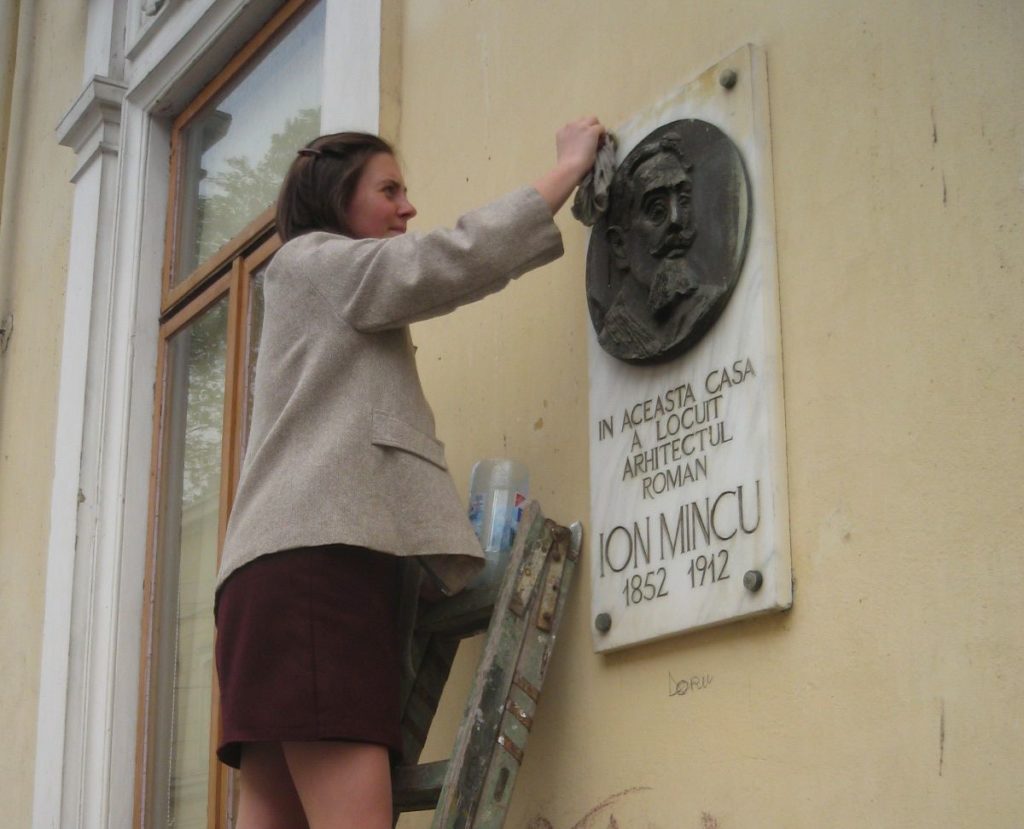
Raluca Munteanu, Project Co-ordinator, Pro Patrimonio, Romania "People don't realise that Romania has lost more heritage buildings in the last
Samantha Westbrooke, Conservation Architect, National Trust of Australia (Victoria) "We need to use our heritage buildings and celebrate them, keep
Federica Amelio, “Fulcrums and Systems” Project, FAI - Fondo Ambiente Italiano (the National Trust for Italy) "I'm an outdoors girl
Tatiana Fuentes, Ranger, Conservatoire du Littoral "When I wake up in the morning, it's inspiring to do something I love
Sylvia Lutz, Vice-Treasurer, Bodenfreiheit, Austria "The face of the earth was changed by humankind in just two generations.  It is important
Pam Bain, Director Regional Services, Heritage New Zealand Pouhere Taonga "Understanding the history of New Zealand and how it has shaped our
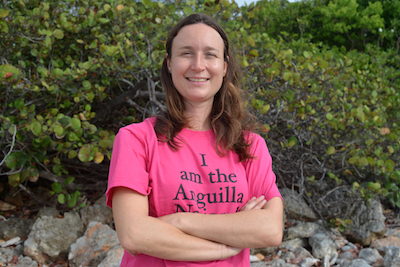
Louise Soanes, Research Associate, Anguilla National Trust "Being able to make positive contributions to endangered species research, and working with
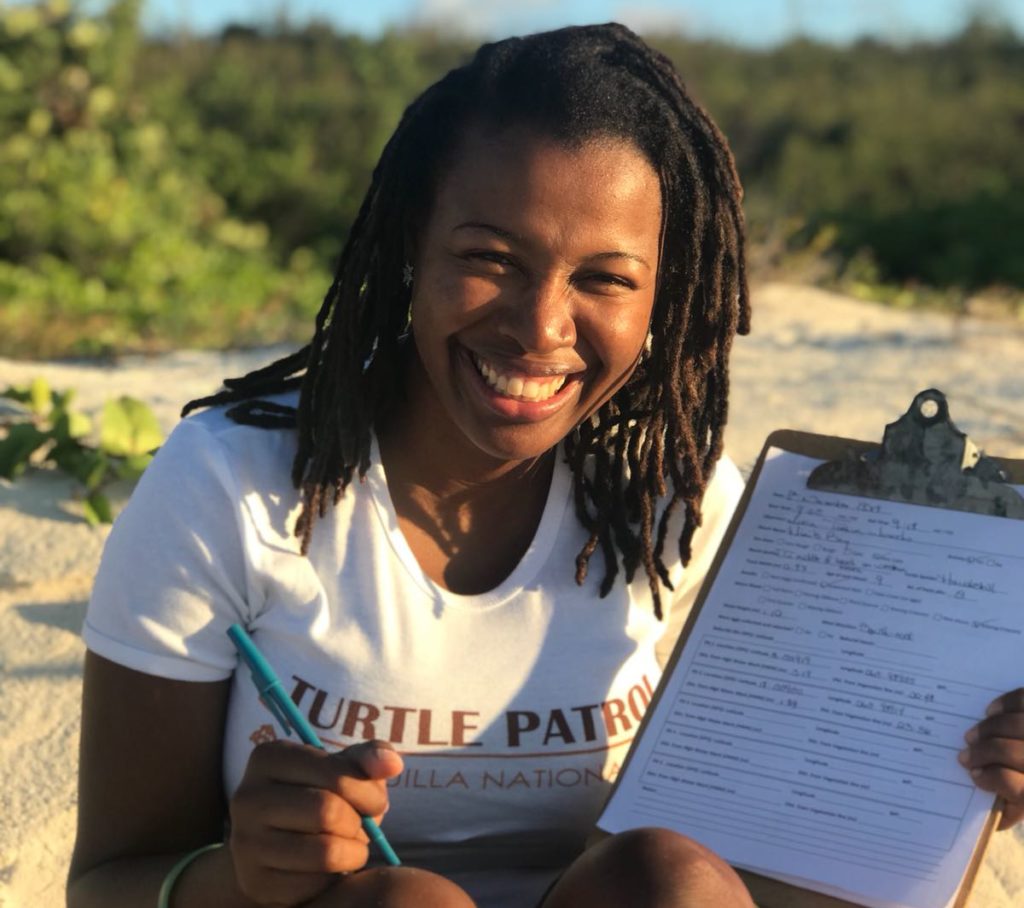
Janeczka Richardson-Johnson, Conservation Officer, Anguilla National Trust "Informing and reminding people of the connection we have and the delicate balance
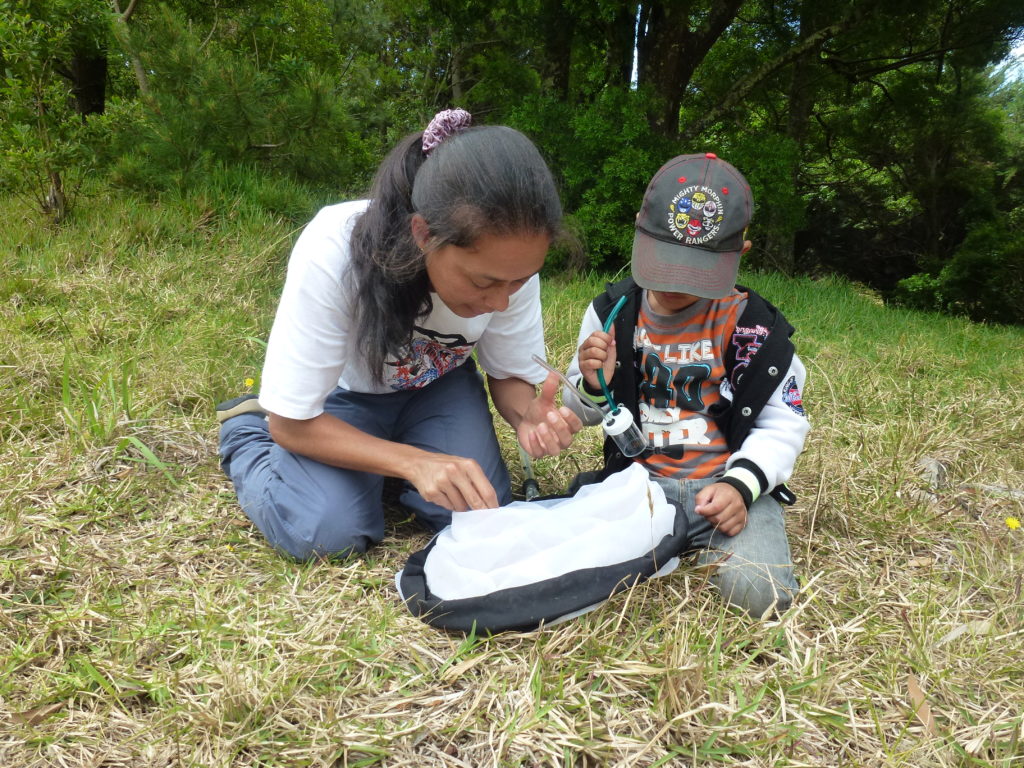
Liza Fowler, Invertebrate Education and Project Officer, St Helena National Trust "The bug science team at the Trust has managed
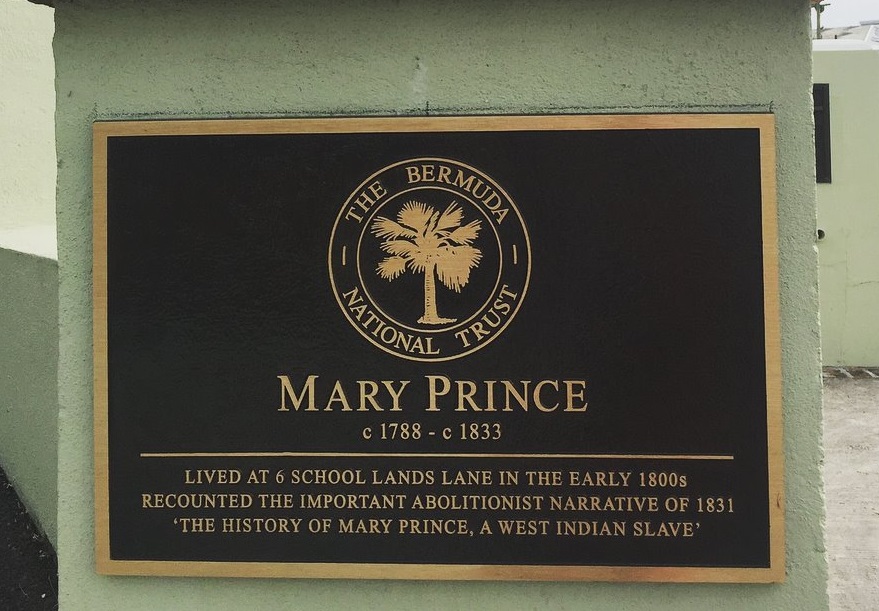
A month ago today on 8 February Bishop Lambe unveiled a Bermuda National Trust plaque at School Lands Cottages honouring the
In July 2020 the heritage sector lost one of it's fiercest protectors. Here, we take a look at the remarkable
In 1890 a young Virginia Peirano moved to London from Romania where she had received a convent education.  Rebellious and unorthodox,
Catherine Leonard, Secretary-General, International National Trusts Organisation "By bringing together the INTO family, we can begin to create the sort

It has been a great privilege to hear and share these stories.  Many of us will agree with Janeczka, who said: “I have had the privilege of meeting and hearing of some extraordinary and amazing women in my line of work, doing jobs that would have traditionally been recognised as more male led. Despite that perception, their work preceded them and spoke volumes, demanding the respect of both genders in my field.”

Raluca Munteanu, Project Co-ordinator, Pro Patrimonio, Romania

“People don’t realise that Romania has lost more heritage buildings in the last 20 years than in the Communist period. It’s like Syria, but without war.  And the reason for this is lack of education and the loss of local identity.”

What is your job?

I am architect and I work for the Pro Patrimonio foundation as a project coordinator.

How long have you been working for your organisation?

I’ve been working for Pro Patrimonio since 2011. I was invited to join the team by the Vice President, Serban Sturdza, with whom I’ve been collaborating since 2005. Our common passion for heritage, traditional crafts and cultural landscape were the main reason to start working together.

What inspires you most about what you do?

The foundation was started in 2000 by the architect Serban Cantacuzino and from 2010 it is led by another architect, Serban Sturdza.  Both are great personalities and role models in this field.  Since I joined the team, I have learned such a lot and feel that the work of Pro Patrimonio is really beginning to show great results. I am so happy I made this decision!

Why do you think your work is so important?

People don’t realise that Romania has lost more heritage buildings in the last 20 years than in the Communist period. It’s like Syria, but without war.  And the reason for this is lack of education and the loss of local identity.

I do this work in the hope of changing things by involving people more and rebuilding the collective memory of the communities. I had the fortune to study abroad where I learned how heritage and landscape influence the people and provide a high quality environment.  I chose to come back in my country after I finished my studies to apply what I have learned.

What’s it like working as a woman in your organisation?

The Pro Patrimonio team is made up mostly of women. It is a good and friendly working atmosphere.  The volunteers participating in our projects are also mainly women.

Do you think the industry you work in has changed over the last 100 years for women?

Now Romania is facing a very difficult period: Corruption is starting to demolish the real democracy of the state.  In 2018 the first female Prime Minister began to govern the country. Unfortunately, she is not a good example as she does not appreciate culture, lacks professional knowledge and has no vision for the future … At the same time, there are high levels of domestic abuse in our society and social protection is mainly carried out by non-governmental organisations.  It’s the same for architecture and heritage protection – a rather neglected field.   Professionally, men and women are fairly equal but our society is still very traditional and so there is less female presence in major projects or decisions.

100 years ago, architecture was a profession dominated by men.  This was also when the modern state of Romania was founded.  Alongside the important men who modernised the state and the society, there were some important female figures, especially in the fields of heritage, tradition and architecture.  During the forty years of Communism (1949-1989), architecture was controlled by the state and used as a ideological and propagandistic instrument. Heritage was also used to manipulate history and to destroy resistance (no memory, no resistance).

What question would you like to ask another inspiration woman from one of our international organisations?

What’s the best way to change people’s image of heritage: From old places standing in the way of modern life to having real economic and social value?

What is Pro Patrimonio?

The Pro Patrimonio Foundation – Romania’s National Trust – is an international non-profit organization with branches in Romania, UK and France, formally established in 2000.   You can even join an INTO working holiday hosted by Pro Patrimonio!

The goals of the Foundation are to save, preserve and restore the architectural and cultural heritage of Romania. Pro Patrimonio lobbies for the protection of Romania’s existing cultural heritage, aiming to teach people to appreciate its value and to provide support for the restoration and re-use of historic buildings. The foundation tries to connect them with a cultural and economic network, respecting traditional craftsmanship and the use of appropriate construction techniques.

The foundation’s projects have already saved an important number of buildings that would have otherwise found their end, missing Romania’s cultural heritage of pieces of valuable history.

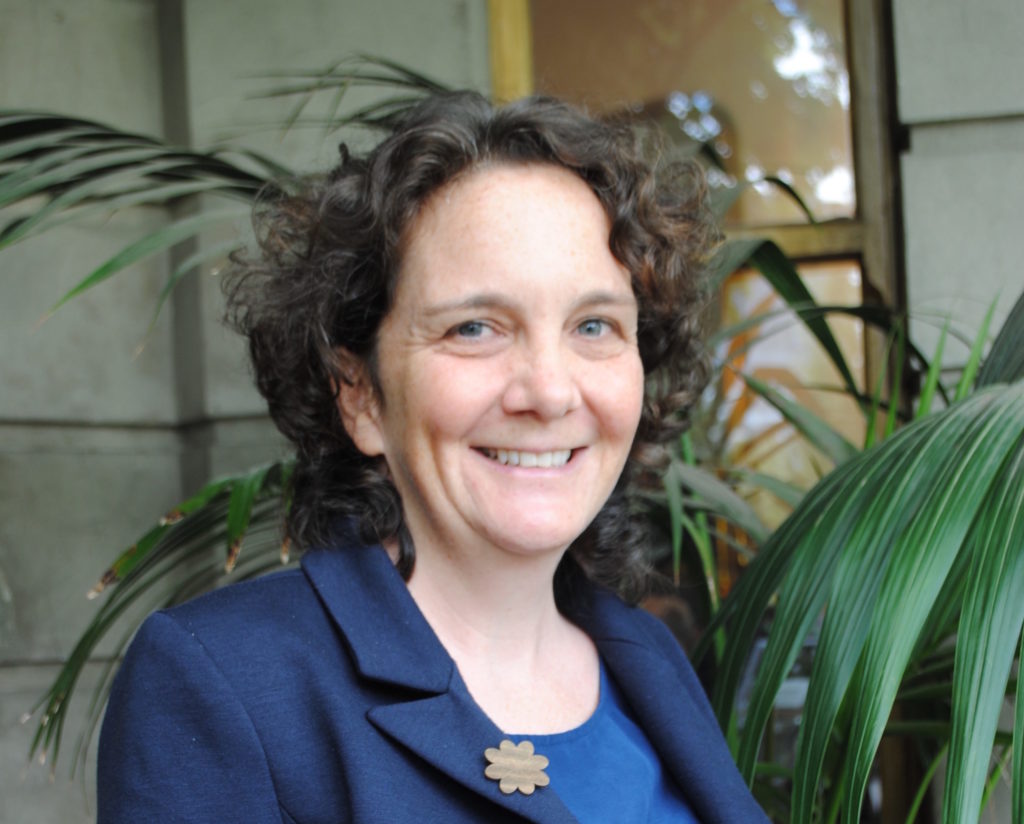
Samantha Westbrooke, Conservation Architect, National Trust of Australia (Victoria)

“We need to use our heritage buildings and celebrate them, keep them active for all to enjoy and learn from”

What is your job?

I am the Conservation Architect for the National Trust of Australia (Victoria). I provide architectural conservation advice on the repair, restoration and development of properties owned and managed by the Trust in Victoria (39 properties), prepare conservation works schedules for buildings, co-ordinate conservation works projects at our properties, promote best conservation practice in the organisation and provide advocacy to the wider community about best conservation practice.

How long have you been working for the organisation?

Four years.

What inspires you most about what you do?

Working with amazing heritage buildings and uncovering their diverse details and the stories behind their construction, inhabitants and changes over time and being able to share these stories with the wider community. I am inspired to reveal the many layers and I love seeing the process of restoration and/or activation of our heritage properties – seeing them come back to life and being used and engaging a diverse range of people. I am also inspired by good design that fits really well with heritage buildings but that will be the heritage of the future showing design and innovation from the 21st century. I like to pass on my passion for heritage buildings and sites so they are seen as an opportunity rather than a constraint to good design and innovation.

In Australia we are losing the tradespeople who use traditional methods to work on our heritage buildings, with very few young people carrying on the work of those near retirement. I am inspired to make sure this does not happen. I want to nurture the traditional trades community so young tradespeople are instilled with the passion to work on our heritage buildings.

Why do you think your work is so important?

It is so important that we value and conserve our heritage buildings as they tell us so much about who we are and where we have come from. It is important to have them in use and activated so they can demonstrate the important layers and stories of our history that would otherwise not be told.

It is also really important to ensure that appropriate repair and conservation methods are used on our heritage buildings so the buildings are preserved into the future and so we don’t lose the skills of the traditional trades. In my job as a conservation architect, I am often recommending reversal of previous repairs that are doing damage to heritage buildings and making sure that appropriate materials and methods (traditional methods) are used in any future restoration.

It is so important that we undertake sympathetic development and appropriate restoration that does not obscure the history of materials, past industry and how we lived but that brings our buildings into the 21st century with innovative design of conversions and additions that will be the heritage of the future, reflecting our current culture and design thinking. Promoting good design that respects the past but creates the heritage of the future.

We need to use our heritage buildings and celebrate them, keep them active for all to enjoy and to learn from them.

What’s it like working as a woman in your organisation?

Generally at the staff level, there are no barriers to being a women in the organisation and I am respected for my skills and expertise regardless of my gender. However I feel that I do face discrimination from the older generations in the volunteer and membership base who are a bit taken aback by having a woman in a role like mine and are less willing to take direction from a woman in a senior role regardless of their qualifications.

Do you think the industry you work in has changed over the last 100 years for women?

Yes, I think it has changed in some areas but not others. As an architect, I feel like there are a lot more women in the architecture profession than 100 years ago, particularly in conservation architecture. There appears to be an even balance of males to females in senior architecture roles. However when it comes to tradespeople, I rarely come across a female tradesperson and this area has changed very little in 100 years it seems. This is not the case for conservators in the decorative arts and materials conservation, which once again is now a lot more balanced with a number of women in these conservator professions.

What question would you like to ask another inspirational woman from one of our international organisations?

How important have strong female role models played in the development of your career?

What is the National Trust of Australia (Victoria)?

The National Trust of Australia (Victoria) has grown since 1956 to become the state’s largest community-based heritage advocacy organisation actively working towards conserving and protecting our heritage for future generations to enjoy.

The National Trust is an independent and privately funded organisation and operates many historic properties which are open to the public.

The Victorian National Trust manages 38 properties in the state, 30 of which it owns and has Committee of Management responsibilities for a further eight properties on Crown land. There are 24 National Trust properties regularly open to the public.  It also manages the Melbourne Maritime Museum which includes the restored ship the Polly Woodside.

Federica Amelio, “Fulcrums and Systems” Project, FAI – Fondo Ambiente Italiano (the National Trust for Italy)

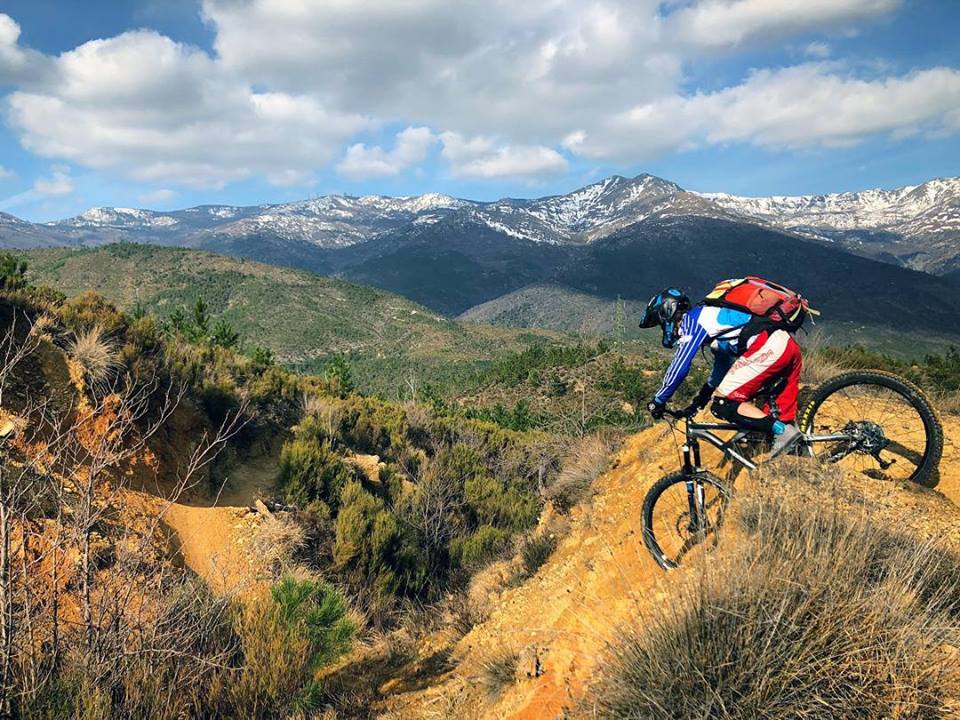
“I’m an outdoors girl and my current job is such a wonderful way to keep up my passion for exploring”

What is your job?

I manage a FAI project to enhance the landscapes around our properties – environmentally, socially, culturally and economically.

As part of this, I have been developing a network of hiking trails (on foot or by mountain bike).  I explore the surroundings of FAI properties, analysing the territory, selecting and classifying routes, writing texts and putting together guides.  I prepare maps with itineraries and a careful selection of cultural points of interest that encourage visitors to discover the area surrounding properties for exceptional places and unique experiences.

How long have you been working for the organisation?

I have worked for FAI for several years now, beginning with an apprenticeship in the Technical Office where I was involved in the restoration of the Velarca, a house boat on Lake Como.

What inspires you most about what you do?

I’m an outdoors girl and my current job is such a wonderful way to keep up my passion for exploring.  Before joining FAI I did a lot of sailing –  lakes, seas and even oceans – and then I studied yacht design.  I love climbing and now like to explore the trails of the Alps with my mountain bike (sometimes I have to carry it on my back). I am the Italian 2017 amateur downhill champion!

FAI properties are in the most beautiful parts of the country and it’s great to know that by enhancing the tourist/cultural offer, we are bringing real benefit to these regions.   And sharing these wonderful places with a wider public!

It’s exciting because FAI is committed to improving accessibility and giving people the opportunity to reach our places with ease and by sustainable transport.

What’s it like working as a woman in your organisation?

Obviously, for a girl like me, an office job in Milan, 8 hours a day in front of the computer is tough, almost impossible … After trying various different roles, I have managed to carve out one that really suits me.

FAI staff are 80% women and I’m very comfortable with that.

What is FAI?

On 28 April 1975, Giulia Maria Mozzoni Crespi, Renato Bazzoni, Alberto Predieri and Franco Russoli officially founded FAI – Fondo Ambiente Italiano (the National Trust for Italy), a non-profit trust conceived by Elena Croce following the example of the British National Trust.

FAI is a non-profit foundation that operates thanks to the support of individuals, companies and institutions.

FAI – Fondo Ambiente Italiano, with the contribution of everyone:

  •  takes care of special places in Italy for the benefit of present and future generations
  •  promotes education, appreciation, awareness and enjoyment of the Nation’s environmental, natural, historic and artistic heritage
  • monitors the protection of Italy’s natural and cultural assets, in the spirit of article 9 of the Italian Constitution (The Italian Republic promotes the development of culture and of scientific and  technical research. It protects the landscape and the historical and artistic heritage of the Nation)

Tatiana Fuentes, Ranger, Conservatoire du Littoral

“When I wake up in the morning, it’s inspiring to do something I love … I fundamentally believe in defending the environment”

What is your job?

I’m the Conservatoire’s ranger and Wetland Ecologist at the protected site of Canavérier, in the south of France.

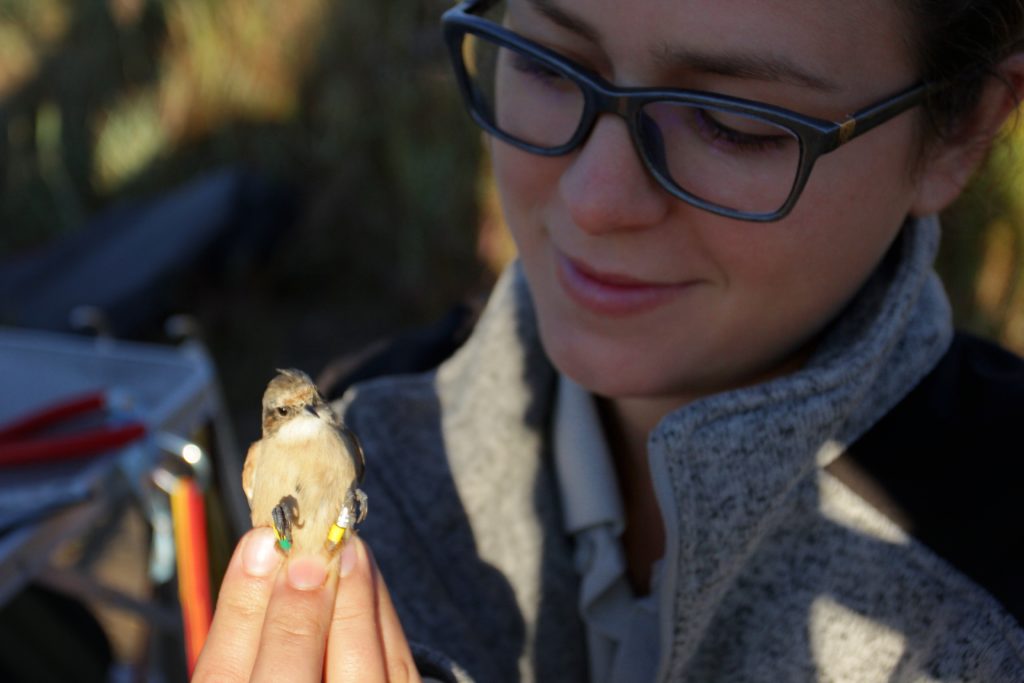
I do various different things every day: surveys, public education and awareness, water quality control and level management, wildlife monitoring (like surveying and ringing birds), habitat management, data reports, cartography… and all this in one area!

How long have you been working for your organisation?

I started my job in 2016, so less than two years. I studied for a masters in Environmental Science at university in Spain (I’m actually Spanish!) and I arrived in the south of France five years ago to work in Wetland Management.

What inspires you most about what you do?

When I wake up in the morning, it’s so inspiring to do something I love.   And I can see the positives changes taking place in nature day-to-day.   When we manage a site with the objective of protecting the environment, I feel very optimistic.

Why do you think your work is so important?

I think that my job is important because, while as an ecologist and lifelong passionate fan of nature and wildlife, I fundamentally believe in defending the environment.

I spend most of my time outside. I think that is very important to discover the particularities of the Canavérier wetland and to know how to manage the risks and find the best solutions.

What’s it like working as a woman in your organisation?

I’m the only woman in the Wetland Management team, but nowadays those attitudes are changing and women are increasingly recognised in the ranger role.

Do you think the industry you work in has changed over the last 100 years for women?

Given that nature conservation is quite a new field, it is already more adapted to women’s rights and gender equality because in the 1980s a new social movement emerged in Europe.

Historically, rangering was considered a man’s job but it is changing and actually so many women have joined the ‘environment police’!

In contrast in higher nature qualifications (such as conservationists and biologists), women make up the majority.

What question would you like to ask another inspiration woman from one of our international organisations?

“Is there something about being a woman that stops you reaching your goals?”

What is the Conservatoire du Littoral?

The Conservatoire du Littoral (“Coastal Protection Agency”) is a French public organisation created in 1975 – modeled on the National Trust’s Neptune Coastline Campaign – to ensure the protection of outstanding natural areas on the coast, banks of lakes and stretches of water.

The Conservatoire acquires around 7,000 acres a year.   After ensuring all the restoration work, it then entrusts the management of its lands to local authorities or other local groups or organisations. The Conservatoire uses specialists to decide how the sites should be managed and what activities (such as agricultural or recreational activities) can take place.

It now cares for nearly 500,000 acres – or 900 miles of coast (13% of the French seacoast – their objective is to reach one third in 2050).


Sylvia Lutz, Vice-Treasurer, Bodenfreiheit, Austria

“The face of the earth was changed by humankind in just two generations.  It is important to do something now, however small”

What is your job?

I’m volunteering as finance officer with Bodenfreiheit. We check payments of our members, reach out to those who forgot to pay their membership fees and prepare lists of members entitled to take part in decision making at our annual meetings.

Additionally I work on developing strategies on how to make use of land we could acquire. Our use-cases depend largely on the ecological status, the possible integration of neighbours and the possibility of reaching as many people as possible. Recently we acquired a very small – but important – strip of land which would be the access road to a vast open field. Not everybody is happy with our ownership of such strategically important but small pieces of land.

I went out with ecologists to assess the status and developed three use-cases which the general assembly will have to vote upon.

How long have you been working for your organisation?

I started days after Bodenfreiheit was founded back in 2011. And I’ve been a member ever since then.

What inspires you most about what you do?

There is so much we could grumble about, so much we can criticise. The most important things are those where you can directly create an actual impact. Show positive change in reality and not only discuss about it in theory. And that’s what we try to do at Bodenfreiheit: Change the policies of spatial planning in our state – not with petitions and criticism but with concrete examples in the real world.  And it is starting to create impact.

Why do you think your work is so important?

The face of the earth was changed by humankind in just two generations. With ever accelerating speed. It is important to do something now. Be it as small as our activities. Still they make sense.

What’s it like working as a woman in your organisation?

Like in a lot of organisations there are the men who speak up and often take the first row. In my position I remind my fellow male board members about the lack of women in the board, about the position of women, about possible female keynote speakers and so on.

And they do take up my point. But it still needs somebody having female positions in mind.  They are still not taken into account automatically.

Do you think the industry your work in has changed over the last 100 years for women?

We are living at a time of rapid change.  Most of the time things around us change with such tremendous speed that it is really hard keeping track of it.

So we need people with a clear and straightforward focus on gender and equality to remind others.   To raise their voices on behalf of those who are usually under-represented.  But things do move in the right direction.

What questions would you like to ask another inspiration woman from one of our international organisations?

What is it we could learn from each other to strengthen gender equality without entering into the power games men are so good at?

What is Bodenfreiheit?

Bodenfreiheit (“freedom for our soil”) is a registered non-profit organisation in the westernmost state of Austria: Vorarlberg, and one of INTO’s more recent members.

Spatial planning in the 1979s and 80s did not take into account the need for free space.  Most of the Vorarlberg’s arable land was designated as building land. More than 40% has not yet used but is subject to speculation and treated as as a ‘safe-haven’ for financial assets.  This leads to shortages on the land market and therefore more of the scarce free spaces are being incorporated into building land. A vicious circle which needs to be broken.

Bodenfreiheit applies a sort of paradox intervention. All members pay an annual fee of EUR 120, with which strategically important land is bought and kept free and accessible for the public. It is a symbolic act with a very tangible effect.

Pam Bain, Director Regional Services, Heritage New Zealand Pouhere Taonga

“Understanding the history of New Zealand and how it has shaped our identity as a people and as a country is essential to going forward without repeating the issues of the past”

What is your job?

My current role (2 weeks into it!) is Director Regional Services, managing the legal and outreach activities for Heritage New Zealand Pouhere Taonga. I come from a background of working in heritage management with the Department of Conservation and more recently as Manager Archaeology with Heritage New Zealand.

My passion for telling heritage stories, and why this is important, is the basis of my current role including the amazing stories that come out of the regulated archaeological authority process which are not often available to the public.

How long have you been working for your organisation?

I have been working for Heritage New Zealand Pouhere Taonga for over 5 years.

What inspires you most about what you do? 

I am passionate about the heritage of New Zealand and our amazing stories. As a country we are very privileged to work in partnership with tangata whenua and provide support to them to assist in achieving their heritage goals.

I was recently involved in a partnership project between Heritage New Zealand Pouhere Taonga, Te Runanga o Ngati Porou and the Department of Conservation where we worked together to map an archaeological site which is very significant. Working in partnership to achieve these heritage goals is something we can contribute as an organisation.

The outcomes of the archaeological authority process tell very detailed and interesting stories about the early settlement of New Zealand and the opportunity to be involved in sharing these amazing archaeological stories with the communities they relate to is very exciting.

Why do you think your work is so important? 

Understanding the history of New Zealand and how it has shaped our identity as a people and as a country I believe is essential to going forward without repeating the issues of the past. And the best way to do that is to reveal the stories associated with that past.

Heritage New Zealand owns and manages a property portfolio of over 40 places for the public of New Zealand. These places reflect significant stories associated with the history of New Zealand and include places where the Treaty of Waitangi was signed.

So on Waitangi Day, 6th February, (the first day the Treaty of Waitangi was signed with tangata whenua in 1840) Heritage New Zealand Pouhere Taonga opens our properties to the public for free. We include as part of that day a copy of the Treaty that was signed at our property in Northland and fly, and have information available about, all of New Zealand’s flags through time and their significance.

Telling a range of important heritage stories, and undertaking heritage activities in partnership with other agencies is an opportunity to encourage the public to better understand our country.

What’s it like working as a woman in your organisation? 

I came from an organisation where there were very few of us working in the field, to an organisation which has a strong representation of women across all aspects of the organisation. This provides a strong and supportive working environment.

Do you think the industry you work in has changed over the last 100 years for women?

Absolutely. Over the last 35 years I have seen an enormous change in the role of women in the public service which has been driven by the education system and women themselves.  As an honours student at university I was told that the sought after holiday job would be going to my male counterpart as he would have a career in archaeology and I would go off and have children.

Women are now employed for our skills and better represented across the public sector. However there is a range of research which indicates there is still a disparity of pay in some places between men and women doing the same job.

What question would you like to ask another inspirational woman from one of our international organisations? 

Why do you think the heritage profession attracts more women than other professional organisations?

What is Heritage New Zealand Pouhere Taonga? 

Heritage New Zealand Pouhere Taonga is an autonomous Crown Entity that advocates for the protection of ancestral sites and heritage buildings in New Zealand. It was set up through the Historic Places Act 1954 with a mission to “…promote the identification, protection, preservation and conservation of the historical and cultural heritage of New Zealand” and is an autonomous Crown entity. Its current enabling legislation is the Heritage New Zealand Pouhere Taonga Act 2014.

Most protective mechanisms for land-based historic heritage are administered by local authorities through their District Plan policies and heritage listings under the Resource Management Act 1991, although Heritage New Zealand retains regulatory responsibilities regarding archaeological sites.

It is currently governed by a Board of Trustees, assisted by a Māori Heritage Council. The national office is in Wellington, with regional and area offices in Kerikeri, Auckland, Tauranga, Wellington, Christchurch and Dunedin, and a portfolio of 43 historic properties we care for around the country.

Over 227,000 people visited properties cared for by Heritage New Zealand in 2017. A high level of satisfaction was reported by 97% of visitors surveyed, maintaining the level reached in the previous year.


Louise Soanes, Research Associate, Anguilla National Trust

“Being able to make positive contributions to endangered species research, and working with a great team in Anguilla who are extremely committed to preserving their island”

What is your job?

Research Associate at the University of Roehampton but based at the Anguilla National Trust. My research focuses on tropical seabirds, sea turtles and iguanas.

How long have you been working for your organisation?

Five years.

What inspires you most about what you do?

Being able to make positive contributions to endangered species research, and working with a great team in Anguilla are extremely committed to preserving their island.

Why do you think your work is so important?

As an organisation, the Anguilla National Trust strives to be a respected centre of environmental and cultural conservation and in doing so engender a revolution in environmental and cultural consciousness.

Our vision for Anguilla is that the island becomes a model of outstanding environmental and cultural stewardship, management, and conservation.

My research into endangered species is part of this and highlights the need to work both nationally and across territorial boundaries.

What’s it like working as a woman in your organisation?

I do not believe I have a different experience to a man in a University environment, although I am aware that the number of women in academia decreases in higher professions.  For example there are generally more females who undertake ecological related degrees, but until recently very few females with professorships.

I know Universities across the UK are working to balance this out. I actually had a daughter in 2016 and felt very well supported by my colleagues and managers at the University and the Anguilla National Trust

What question would you like to ask another inspiration woman from one of our international organisations?

I would be interested to hear how they balance a professional career with having a family.


What is the Anguilla National Trust?

The Anguilla National Trust was founded in 1989 with the mandate to sustain the island’s natural and cultural heritage through active management and education for the benefit of today’s and tomorrow’s generations.

The ANT has remained true to that mandate and, since its formation, has been instrumental in the creation of Anguilla’s national parks, conservation areas, and heritage sites and continue to be involved in their day-to-day management.

The ANT conducts essential research and conservation work, including habitat and species monitoring and works year-round to raise public awareness about the fragility, complexity, and beauty of the island’s natural and cultural resources.

Above all, the ANT acts as voice for Anguilla’s national heritage. The ANT has been in housed in the Old Customs Building in The Valley since 1991.


Janeczka Richardson-Johnson, Conservation Officer, Anguilla National Trust

“Informing and reminding people of the connection we have and the delicate balance we all should endeavour to maintain is vitally important for both the survival of our natural environment and mankind alike”

What is your job?

My name is Janeczka Richardson-Johnson and I work as a conservation officer at the Anguilla National Trust (ANT).

How long have you been working for your organisation?

I first started with the national trust as a school intern and after graduating, was hired full time as the coastal and marine conservation officer. I have been working for the ANT for almost nine years now.

What inspires you most about what you do? 

I think what inspires me most to do my job is ultimately my love for the Earth. Our planet is special because of its ability to sustain life, and the life it sustains (whether human beings, plants or animals) is precious. Growing up I often wondered why people referred to nature as “mother nature” and not “father nature” but then one day it dawned on me, that perhaps this is the case because only women can bring life into this world and that is exactly what the natural environment brings each and every one of us, life.

Why do you think your work is so important? 

Often we as human beings are under the false impression that we are the most important organisms occupying this planet and rather than living lives that reflect a harmonious relationship with our biodiversity, we misuse, over exploit and destroy it. I believe as a conservation officer I give our biodiversity a voice.

Whether through public awareness and education of our fragile and important ecosystems or through working directly with our unique wildlife.  I believe that informing and reminding people of the connection we have and delicate balance we all should endeavour to maintain is vitally important for both the survival of our natural environment and mankind alike.

What’s it like working as a woman in your organisation? 

When I first started with the ANT it was all women at the office and we have always respected, supported and encouraged each other. A few years later the office expanded to include a few males and they continue to show us respect and support in the same way, never underestimating our abilities to work in this sometimes very labour intensive field.

Do you think the industry you work in has changed over the last 100 years for women?

The span of 100 years is indeed a long time for mindsets to be changed towards women and their abilities to be more than just house wives and bearers of children. I have had the privilege of meeting and hearing of some extraordinary and amazing women in my line of work, doing jobs that would have traditionally been recognised as more male led. Despite that perception, their work preceded them and spoke volumes, demanding the respect of both genders in my field.

What question would you like to ask another inspirational woman from one of our international organisations? 

The question I would like to ask other inspirational women in my field would be, how do you balance conservation work with family life (husband and kids)?

Occasionally conservation work can take you away from home for a number of weeks at a time (missing very important milestones like anniversaries, birthdays, graduations etc.) or even the protection of some wildlife can be very dangerous, like in the case of illegal poaching or trafficking.

How do you find the balance between your two loves?

What is the Anguilla National Trust?

The Anguilla National Trust was founded in 1989 with the mandate to sustain the island’s natural and cultural heritage through active management and education for the benefit of today’s and tomorrow’s generations.

The ANT has remained true to that mandate and, since its formation, has been instrumental in the creation of Anguilla’s national parks, conservation areas, and heritage sites and continue to be involved in their day-to-day management.

The ANT conducts essential research and conservation work, including habitat and species monitoring and works year-round to raise public awareness about the fragility, complexity, and beauty of the island’s natural and cultural resources.

Above all, the ANT acts as voice for Anguilla’s national heritage. The ANT has been in housed in the Old Customs Building in The Valley since 1991.


Liza Fowler, Invertebrate Education and Project Officer, St Helena National Trust

“The bug science team at the Trust has managed to intrigue non-bug lovers as well as those already interested in creepy crawlies, and hopefully this will inspire others to continue the good conservation work relating to invertebrates through future generations.”

What is your job?

My name is Liza Fowler and I am the Invertebrate Education and Project Officer working on the Darwin funded “Securing the future for St Helena’s endemic invertebrates” or “The Survey” Project for short on St Helena Island.

How long have you been working for your organisation?

This is my fifth year with the St Helena National Trust, I began my career through the Darwin Apprentice scheme with the “Increasing local capacity to conserve St Helena’s threatened biodiversity project”, then went on to work as the Invertebrate Education Officer on the “Laying the Foundation for Invertebrate Conservation on St Helena project” (“Bugs on the Brink” for short), and now I am currently working on my third project, the Darwin project “Securing the future for St Helena’s endemic invertebrates”.

What inspires you most about what you do?

One of the most inspiring areas of my job is delivering my invertebrate knowledge to others. I have delivered invertebrate awareness and education into our primary schools, secondary school, Forest School and public events. I have created an Invertebrate Education Pack for our teachers to continue invertebrate awareness in the curriculum. The bug science team at the Trust has managed to intrigue non-bug lovers as well as those already interested in creepy crawlies, and hopefully this will inspire others to continue the good conservation work relating to invertebrates through future generations.

Why do you think your work is so important?

I believe that creepy crawlies are much overlooked, they may be very small but they are undertaking great jobs in our environment. Without the decomposers we would be knees deep in poo, without pollinates we wouldn’t have food, and in general they tell us how healthy our environments is, and many haven’t even been studied yet.

What’s it like working as a woman in your organisation?

Overall the Trust is a mixture of females and males and it is a great working environment to be in. The bug team currently consist of all women and we all have a great sense of humour, so it’s never a dull moment because someone is always cracking a joke.  It is also well balanced as we are never in the office for long periods of time, and we are always working externally with others, whether it is with visiting experts, education in our schools and events or just giving advice to other organisation.

Do you think the industry you work in has changed over the last 100 years for women?

Yes it has changed, as female entomologists used to be overlooked or not given their full recognition.  Today if there are women involved in entomology expeditions or new discovery their names will live on in history.

What question would you like to ask another inspiration woman from one of our international organisations?

I would like to ask the ladies of other international organisations, what inspires you to save our planet from species depletion and is it working for you?

I would also like to say to everyone out there no matter how big or how small our conservation work is we are all making a difference.

What is the St Helena National Trust? 

The St Helena National Trust aims to preserve the island’s environmental and cultural heritage. It was founded on 22 May 2002, the 500th anniversary of Saint Helena’s discovery.

The Trust’s activities include restoring the island’s fragile Gumwood forests, conserving the endemic Wirebird, restoring original habitat, promoting the protection of the historic buildings and fortifications, and educating and training local people.It relies on the support of volunteers and the financial support of well-wishers.

The objectives of the St Helena National Trust are:

  • To promote the appreciation, protection and enhancement of St Helena’s unique environmental and culture heritage.
  • To acquire and hold in perpetuity land of natural beauty or buildings and objects of historic or cultural interest for the benefit of people today and of future generations.
  • To give the people of St Helena a stake in the future of their unique environmental and cultural heritage.
  • To provide opportunities for enjoyment, education, recreation and spiritual refreshment.

A month ago today on 8 February Bishop Lambe unveiled a Bermuda National Trust plaque at School Lands Cottages honouring the life of Mary Prince (1788-1833) who recounted the important female slave narrative of 1831, saying it is a reminder of her “invaluable contribution towards freedom”.

Mary Prince was born into slavery in Bermuda’s Devonshire Parish in about 1788. The 1831 narrative of her life ‘The History of Mary Prince, a West Indian Slave’ was the first published account of the life of a female slave and had a huge impact on the abolition movement.

The Bermuda National Trust acquired School Lands Cottages, just off St John’s Road in Pembroke, in 1981. One of the cottages to the east of the property was the one in which Mary endured cruel treatment at the hands of ‘Captain I’ (John Ingham) and his wife. What is your job?

Listed as owner of School Lands from 1789 to 1827, John Ingham lived at the property with his wife Mary Spencer Albouy. Mary Prince’s description leaves little doubt that this was the house in which she spent miserable years.

In her narrative, after she was sold to a new owner in 1800, she describes being “given into the charge of his son, a lad about my own age, Master Benjy, who took me to my new home”. Ingham’s oldest child was Benjamin, who was baptised in 1790. ‘Captain I’ and his wife were the worst kind of slave owners, gratuitously cruel to a willing young girl.

Still Mary’s hardships continued: she was sold to a new owner who sent her to make salt in the Turks Islands, where she endured horrific suffering. In 1818, back in Bermuda, she was sold again. This owner eventually took her to London where she found shelter in a Moravian church and the opportunity to tell her story. In 1931 her narrative was published. The slave trade was finally abolished in the British Empire in 1834.

You can read Mary’s narrative here at Project Guttenberg.

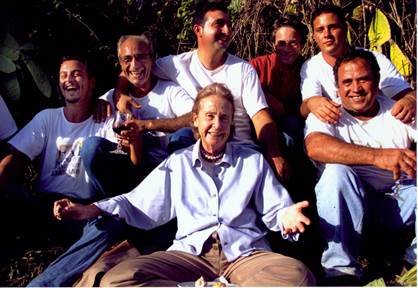
In July 2020 the heritage sector lost one of it’s fiercest protectors. Here, we take a look at the remarkable work of Giulia Maria Crespi and the legacy she leaves behind.

Giulia Maria Crespi is the founder and tireless promoter of the mission of FAI – Fondo Ambiente Italiano, together with Renato Bazzoni and Franco Russoli and Alberto Predieri of FAI – Fondo Ambiente Italiano, a not for profit organization modeled on the National Trust of England, Wales and Northern Ireland. FAI’s goal is to contribute to the protection, conservation and enhancement of Italy’s artistic legacy, natural heritage and landscape.  What is your job?

Since its origins, Mrs Crespi’s personality and her inner strength have been the steering wheel of the Foundation.

She has devoted her life to the defense of her country’s heritage and her opinion is valued as very authoritative in Italy today. Thanks to her outstanding commitment she received the highest ranking honor of the Italian Republic in 2003, the “Dama di Gran Croce dell’Ordine al merito della Repubblica Italiana“.

She was very active also in the field of biodynamic agriculture, as she served in the Council of the Association for Biodynamic Agriculture which promotes awareness this subject, which is often forgotten by Italian media and by most people in the country.

Giulia Maria Crespi was born into one of the oldest and most important Lombard families, traditionally very active in the industrial and cultural fields. She was always very involved in charitable activities: from childhood until 1960 she worked for the Associazione Ape Laboriosa, devoted to helping poor children in Milan’s outskirts; after World War II she spent her time for the Fondazione Crespi Morbio in Sesto San Giovanni helping families with numerous children; in the same period and until 1970 she volunteered for Opera San Francesco per i poveri (an association for people in hardship) run by Capucine monks in Milan.

At the beginning of the 1970s, Mrs Crespi met Elena Croce, daughter of the great philosopher Benedetto Croce, who convinced Mrs Crespi to create the Italian version of the more famous National Trust of England, Wales and Northern Ireland. At first, Mrs Crespi was sceptic, thinking about the many cultural and artistic differences between Italy and the United Kingdom, but the encounter with another unique personality, Renato Bazzoni, convinced her of the validity of the idea and thus FAI came into being. Indeed, on 28 April 1975, FAI’s constitution and statute were signed by Giulia Maria Crespi, Renato Bazzoni, Alberto Predieri and Franco Russoli, who were filled with enthusiasm and ambition for their long-cherished dream: a foundation entirely devoted to the protection, conservation and education of the public with regards to Italy’s unique and magnificent artistic and environmental heritage.

Since 1975, after 43 years, FAI counts more than 170,000 active members, 57 properties under its care (of which 36 are open on a regular basis and with services for the public) and is widely known across the whole of Italy, with a clear objective: to contribute to the protection, conservation and enhancement of the heritage of Italy’s art, nature and landscape. Before her passing Signora Crespi served as FAI’s Honorary President.

Signora Crespi leaves a profound impression on the National Trust movement internationally and her legacy will live on in the beautiful places throughout Italy that she so fiercely protected.

Learn more about her work here.

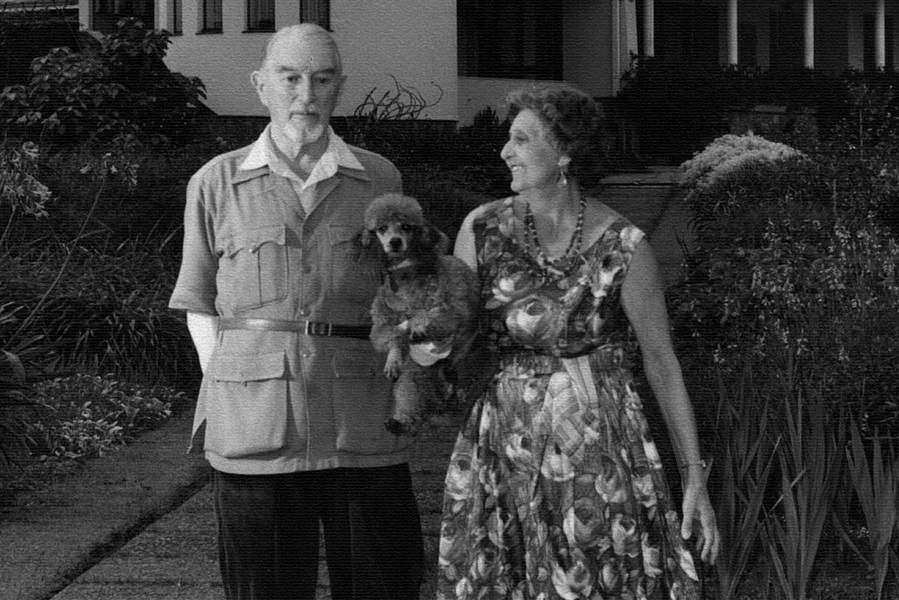
In 1890 a young Virginia Peirano moved to London from Romania where she had received a convent education.  Rebellious and unorthodox, while still a teenager Virginia had a large snake tattooed down the front of her right leg, a shocking choice for a convent schoolgirl to make during the Edwardian era!

Her marriage to the aged Italian Count Spinoza was annulled by the Vatican and on 20 August 1923 she married Major Stephen Courtauld at Fiume in Italy.   On her return to England, the vivacious, impulsive and unconventional Virginia bought a bad-tempered ring-tailed lemur from the Harrods pet department whom she called Mah-Jongg.

After a decade living at Eltham Palace in London, the Courtaulds came to live in Zimbabwe (then Rhodesia).   Together Sir Stephen and Lady Virginia built the La Rochelle Estate, comprising of 108 ha , in 1951 as a retirement home, and donated it to the National Trust of Zimbabwe in 1970.

On 16 June 1954 Stephen and Virginia became citizens of Rhodesia and over the next 13 years their major achievements included the funding of the construction of buildings for:

–           The Courtauld Theatre, Mutare (1955)

–           The Queen’s Hall, Mutare (1957)

–           The National Gallery, Harare (1958)

–           The Rhodes Club, Mutare (1961)

–           The auditorium of what is now the Zimbabwe College of Music, Harare (1962)

–           Kukwanisa Farm School, Nyanga (1964).

In their unobtrusive quest for a just and non-racial political dispensation in their adopted country the Courtaulds were also the main sponsors of the Capricorn Society Africa, a pressure movement that sought to improve relations between races in the British-administered countries of sub-Saharan Africa.

Virgina, with her kind and generous nature, had a deep desire to improve the welfare of the women in the rural areas and so she established a ‘Homecraft Club’ on the property where she taught needlework, embroidery, cooking and domestic science.  The women were able to sell their arts and crafts and for the first time financially support their families.   Her important contribution was made quietly and modestly, with sincere humility and she improved the lives of many African women over the course of several years.

What is your job?

Catherine Leonard, Secretary-General, International National Trusts Organisation

“By bringing together the INTO family, we can begin to create the sort of world where protecting our heritage is seen as integral to our global society’s future”

When did you start working for the National Trust?  What is your job?

I got my first job with the National Trust in 1999 as the European and Overseas Co-ordinator. I joined a team of five working on international relations and my role was to run the European Network of National Heritage Organisations (ENNHO) and the European Exchange Programme.

I remember being so thrilled to have landed a role that brought together my love of languages (I even had a bilingual business card!) with my passions for learning, art history and environmental conservation.

Since 2008, I have been managing the Secretariat of the International National Trusts Organisation (INTO).

What inspires you most about what you do?

We might call ourselves ‘National’ Trusts but in fact, conservation can’t be neatly parcelled up into national packages.  Keeping alive our wonderful built, cultural and natural heritage for present and future generations depends on global co-operation.

And it’s incredible to see people and organisations coming together under the INTO banner to support one another, to share ideas, experiences and resources, and to show solidarity.

I believe that with international support, local empowerment and joined up working, we can really make a difference.    This is what inspires me most.

Why do you think your work is so important?

We live in a complex, multi-dimensional and inter-dependent world.  Things have changed a lot since INTO was established ten years ago.  Funding has reduced while development pressures have increased; the impacts of climate change become more real every year; and there are new challenges posed by migration and other societal trends.

Across the world, our local National Trusts see every day and at first hand the effects of these challenges.  And yet many of them are tiny organisations.  Dedicated and passionate, big on ambition and hope, they are often struggling with limited resources, insufficient political support and a lack of public awareness.

The role of INTO is to help them achieve their objectives.

Also, by bringing together our worldwide family of supporters, donors, members and volunteers – who all love heritage whatever country it’s in – I believe we can begin to create the sort of world where protecting our heritage is integral to our global society’s future.

What’s it like working as a woman in your organisation?

INTO and the National Trust are both very egalitarian, non-hierarchical organisations.  There is a good gender balance in senior roles in most countries and seven out INTO’s twelve trustees are women, including our Chair and Vice-Chair.

Nonetheless, I still believe that within the Trust movement, as everywhere, men and women tend to operate differently.   Talented women do still seem to be less visible, held back more – often by their own self-limiting beliefs.   My advice?  Plan your career.  Make good networks. Go easy on yourself, be brave, be confident!

Do you think the industry you work in has changed over the last 100 years for women?

When I’m giving talks about INTO (like this one in Port of Spain), I always mention Octavia Hill, the social reformer who was one of the three Victorian founders of the National Trust. She is such an inspiration!  I also often (mis!) quote James Lees-Milne, who ran the Trust’s Country Houses Scheme in the 1940s.

I do it to give courage and inspiration to our younger Trusts who are often dazzled by the current success and size of their alma mater.   It goes something like this: “After 47 years of operation, the Trust employed four male staff, of whom two where unqualified, and two female staff, a typist and a ‘junior’, and had a membership of 6,000”!

But it also reminds us that in the early 1940s women had very different roles in the Trust.  Today, this tiny acorn has grown into a global movement and I’m happy to say that across the world, National Trusts are being led and managed by some amazing women.   In 2011, we featured some of our them on our website, including Stephanie Meeks (America); Hsiu-ju Sun (Taiwan) and Michaela Kubikova (Slovakia), all of whom are still part of the INTO family.

This year we are celebrating the amazing work undertaken by female rangers, conservation officers, architects across the world from Anguilla to Zimbabwe in our Inspirational Women feature.

Many Trusts were also started or heavily influenced by women: Annie Wyatt, the Australian Red Cross worker who set up the Australian National Trust in 1945; Virginia Courtauld, the half Italian, half Hungarian wife of Sir Stephen (with a snake tattoo on her ankle and an pet ring-tailed lemur) who gave their Rhodesian home to the National Trust of Zimbabwe in the 1950s; Mary Prince, the West Indian Slave who endured brutal cruelty at the School Lands Cottages, now a property of the Bermuda National Trust; Guilia Maria Crespi the driving force of behind FAI – Fondo Ambiente Italiano; Peggy Carey, May Bonamy Collins and Diana de Jersey who set up the National Trust for Guernsey, and so on!

What question would you like to ask another inspirational woman from one of our international organisations?

As individuals we might sometimes think that we’re so small and insignificant, how can we change the world?  But when I look at the incredible organisations that make up INTO, I see how passion and determination can make a real difference.   My question is for our wonderful emerging female leaders: “How do you manage the transition from ‘doing’ to ‘leading’?”

(Incidentally, Lees-Milne also famously said “I think if I searched the whole world, there is no job I would rather have.”  I think I agree with him!)

What is INTO?

The International National Trusts Organisation, or INTO, is the umbrella body for the worldwide family of National Trusts which come together to share experience, ideas and resources; to grow the capacity of existing trusts and establish new trusts in countries where they don’t currently exist; and to be a global voice for matters of common concern.

The National Trusts of the world care about special places, protecting them for ever and for everyone.   Together as INTO, they unite people in their concern for heritage and make the National Trust movement greater than the sum of its parts.


Translate »